Heart lung machine disposal is a specialist job. A cardiopulmonary bypass system is heavy and carries pumps, batteries and a water circuit. Parts of it may also store case data. This guide explains heart lung machine disposal and ECMO recycling in Australia: what we collect, how to prepare the equipment, what we cannot take and what happens to it after pickup.
E-Waste Collect collects perfusion and extracorporeal equipment from public and private hospitals, cardiac surgery units, intensive care units and training centres across Australia. Our own team handles the pickup, so you deal with one company from your first email to the recycling certificate.
Heart Lung Machine Disposal: What We Collect
Most cardiac theatres retire a system in pieces over several years, or all at once when the department upgrades. We collect both. Typical items include:
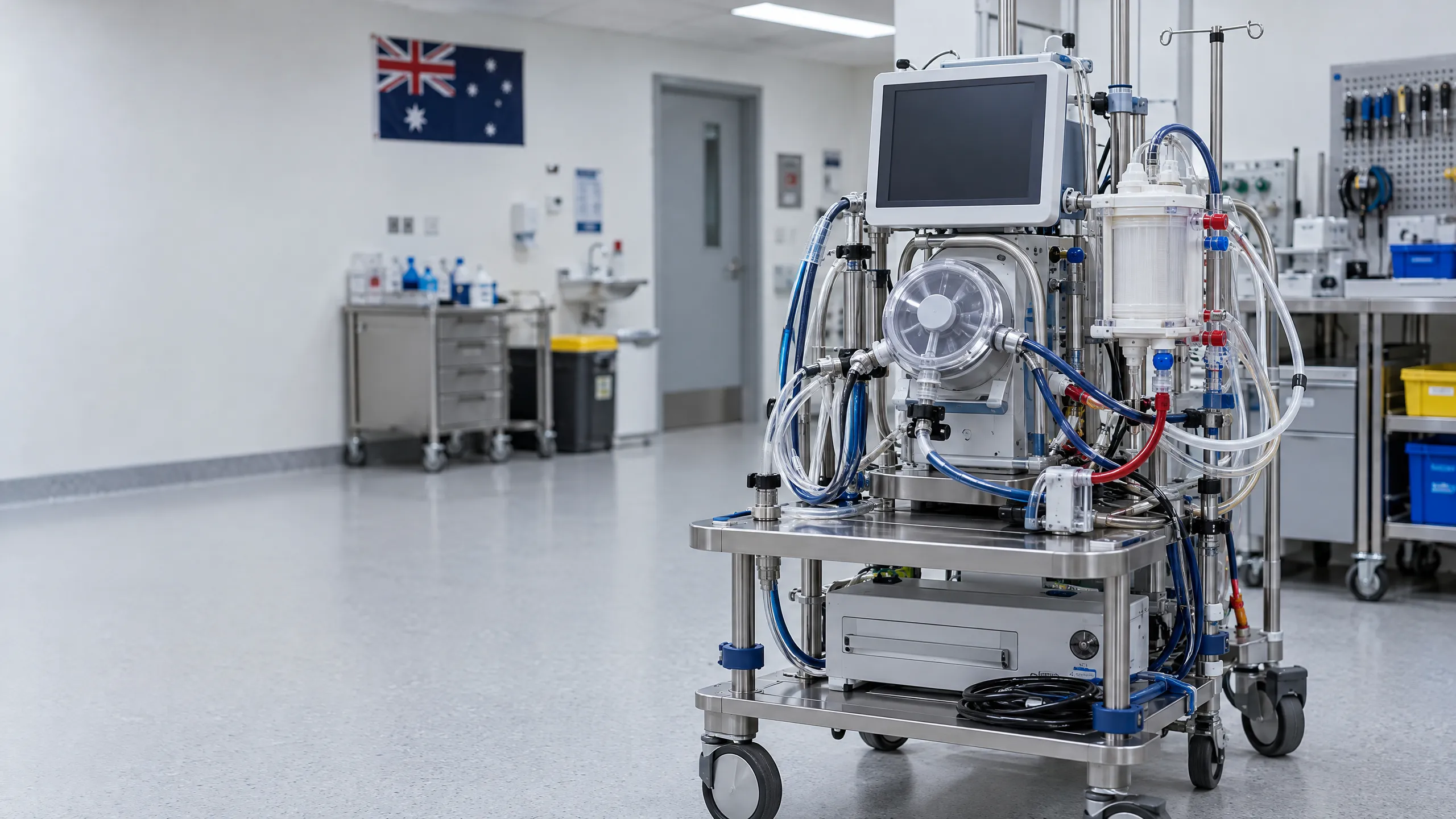
- Heart lung machine consoles: the base unit with roller pump modules, centrifugal pump drives, mast, monitoring screens and control panels.
- Heater cooler units: the separate units that control blood temperature during bypass.
- ECMO consoles and drives: portable and trolley based systems used in intensive care and retrieval.
- Cardioplegia delivery and monitoring modules: pressure, temperature and level sensing modules, gas blenders and flow meters.
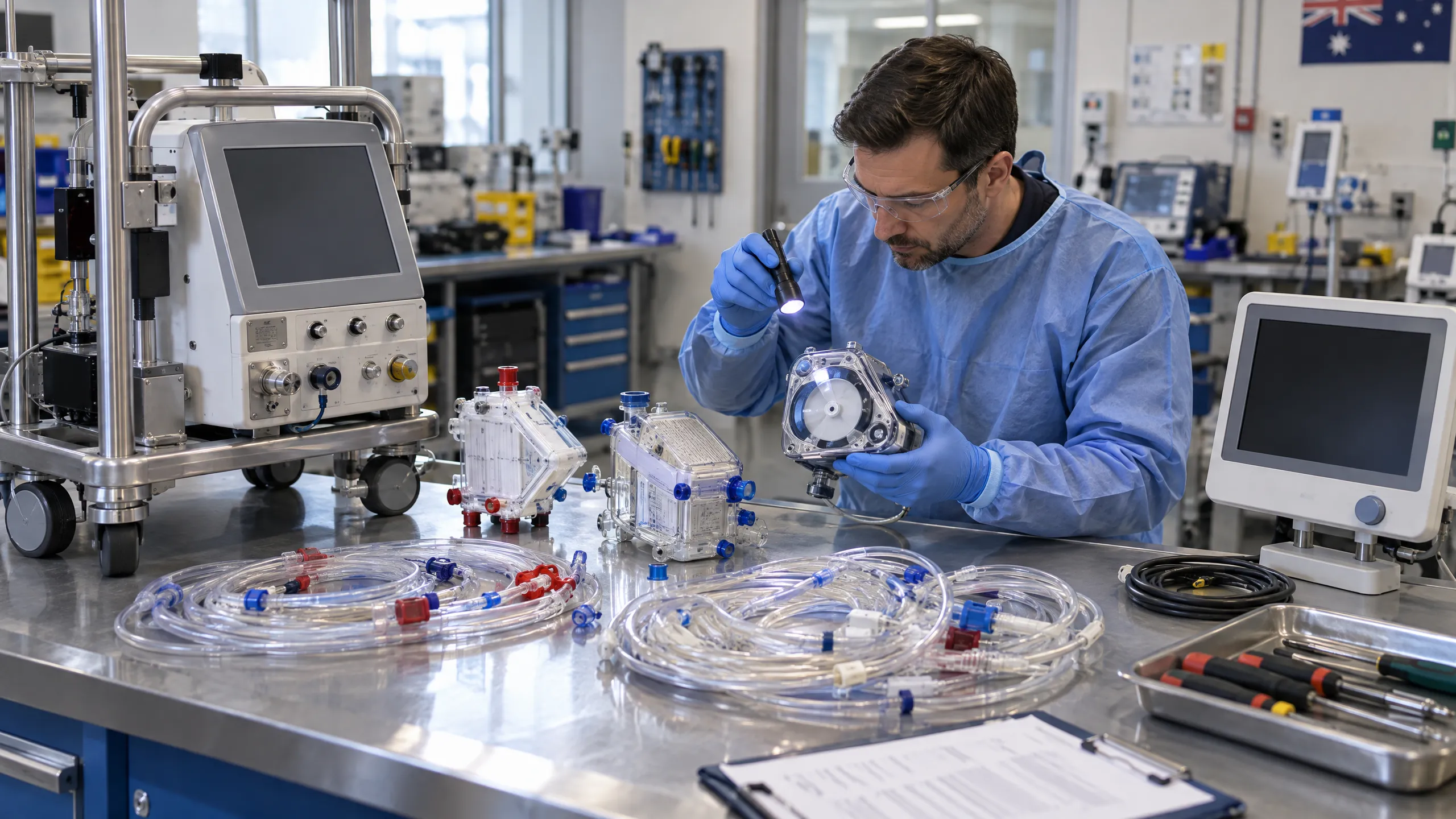
- Perfusion trolleys, mounts and accessories: drive units, hand cranks, clamps, holders and cables.
- Perfusion data PCs and laptops: computers used to record bypass and ECMO data.
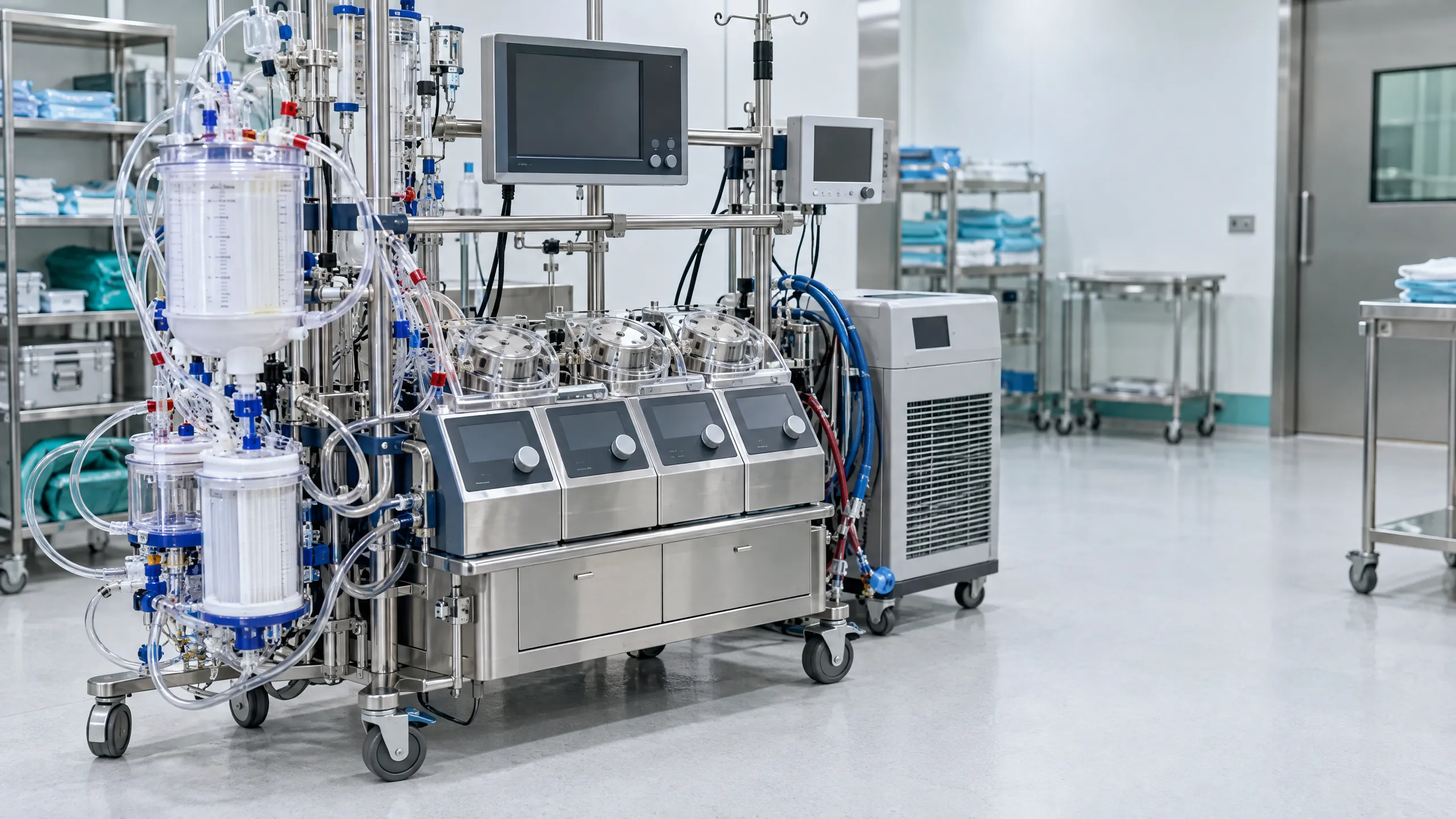
Working, faulty, surplus, obsolete and end of life equipment is accepted. If a unit still works and has a service history, tell us. Working equipment is assessed for reuse or parts recovery before anything is recycled.
Why Perfusion Equipment Needs a Specialist Recycler
A heart lung machine is not a standard piece of e-waste. Four things change how it must be handled.
- Weight and size. A full console with pump modules and mast is bulky and top heavy. It needs a planned route out of the theatre, the right trolley and a team that knows how to secure it in a truck.
- Batteries. Consoles and ECMO drives carry backup batteries so the pumps keep running during a power failure. These are removed and recycled separately, never sent to landfill.
- Water circuits. Heater cooler units hold water in tanks and lines. Australian and international regulators, including the TGA, have issued safety information about bacterial contamination in heater cooler units, so they should be drained and cleaned under your hospital procedures before collection.
- Patient data. Modern consoles, ECMO systems and the PCs attached to them can store case records, alarms and logs. These must be wiped or destroyed before the equipment moves on.
What We Cannot Collect
To keep everyone safe, a few items stay with your hospital and go through your clinical waste stream:
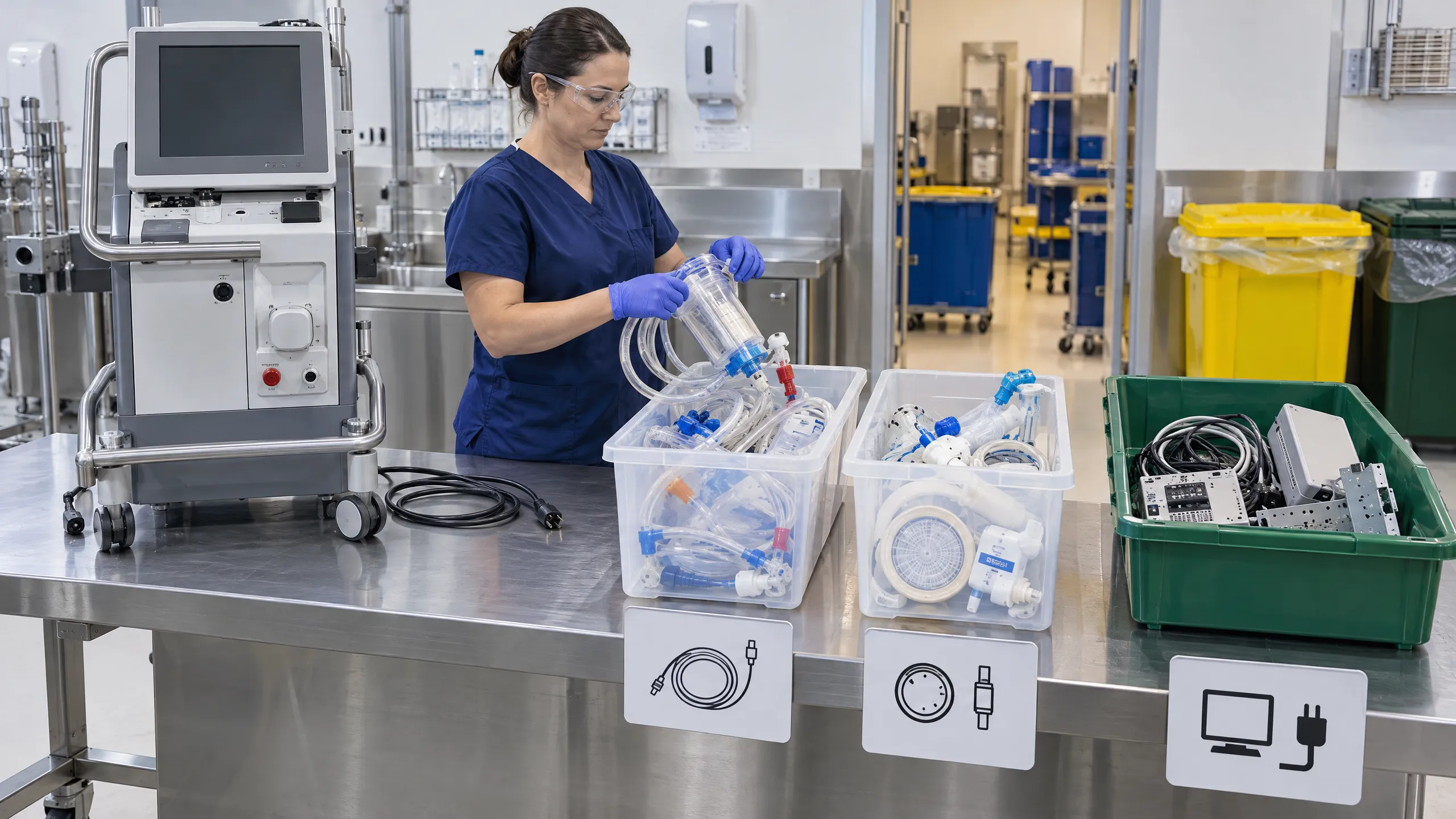
- Oxygenators, tubing packs, cannulas and other single use disposables.
- Anything contaminated with blood or body fluids that has not been cleaned.
- Gas cylinders, including oxygen and carbon dioxide cylinders fitted to the console.
- Sharps, chemicals and pharmaceuticals.
If you are unsure about an item, send a photo and we will confirm before the pickup day.
How Heart Lung Machine Disposal Works in 5 Steps
- Send your list. Tell us the make, model and quantity of each item, with photos of the units and the data plates.
- Confirm the plan. We confirm what we can collect, whether pickup is free for your job and how the equipment will leave the building.
- Prepare the equipment. Your team drains heater cooler units and removes disposables and gas cylinders. Surfaces are cleaned under your infection control procedures.
- Collect. Our own team disconnects, packs and removes the equipment, working around theatre schedules where needed.
- Erase, recycle and document. Data bearing parts are wiped using Blancco data erasure software. Equipment is reused, broken down for parts or recycled for metals, plastics and circuit boards. You receive a recycling certificate for your asset register.
ECMO Machine Disposal and Recycling
ECMO systems follow the same process as a heart lung machine, with two extra points. They often travel between wards and retrieval teams, so check that every console, drive unit and emergency hand crank on your asset register has been found before booking. Also check that any ECMO data has been exported to your hospital records before the console is wiped.
Clearing an intensive care unit at the same time? See our guide to ventilator disposal.
We also collect the monitors, infusion pumps and ventilators that usually leave an intensive care unit at the same time. See our list of medical equipment we recycle.
Patient Data and Privacy
Under the Australian Privacy Principles, organisations must take reasonable steps to destroy or de identify personal information they no longer need. The OAIC explains these obligations. For heart lung machine disposal, that means checking the console, the heater cooler display, ECMO drives and any perfusion data computer.
E-Waste Collect wipes data bearing devices using Blancco data erasure software before the equipment is reused or recycled. Our registration and licence details are listed on our certifications and compliance page.
Planning a Cardiac Theatre Clear Out
When a cardiac department upgrades, the old heart lung machine is rarely the only item leaving. Plan the removal with your biomedical engineering team and facility manager. Include these points in your request:
- The floor and theatre number, lift size and doorway widths on the route out.
- Preferred days and times, especially if theatres stay in use during the changeover.
- Whether any equipment is fixed to walls, ceilings or pendants and needs deinstallation.
- Who on site will sign for the collection and receive the recycling certificate.
For fixed systems and full department removals, see our medical equipment deinstallation service. If you are moving to a new building, our medical equipment relocation guide explains what to move and what to retire.
What Happens After Pickup
Every item is assessed in the same order: reuse first, then parts recovery, then material recovery. A working console or ECMO drive may be suitable for reuse in training or research. Faulty units are broken down so that pumps, motors, displays and circuit boards can be recovered.
What remains is separated into steel, aluminium, copper, plastics and electronic scrap for recycling. Batteries go to a battery recycling stream. Nothing from a heart lung machine disposal job is sent to landfill where a recycling option exists.
When processing is complete, you receive a recycling certificate that lists the collected equipment, with serial numbers where available. Your biomedical engineering team can use it to close the assets on your register.
Why Hospitals Choose E-Waste Collect
- Collections completed in every Australian state, with around 80 hospitals, laboratories and clinics served so far.
- Our own collection team, with no subcontractors.
- Blancco data erasure for data bearing devices.
- A recycling certificate for every job.
- Free pickup for eligible jobs, confirmed in writing before booking.
Frequently Asked Questions
Is heart lung machine disposal free?
Many jobs are free. It depends on the equipment, quantity, location and access. Send your list and photos and we will confirm before booking.
Do you collect a single ECMO console?
Yes. We collect single units as well as full department clear outs from hospitals and cardiac units.
Do I need to drain the heater cooler unit?
Yes. Heater cooler units should be drained and cleaned under your hospital procedures before collection. Tell us if this is not possible and we will discuss the options.
Can you take oxygenators and tubing packs?
No. Single use disposables are clinical waste and must go through your hospital clinical waste stream.
Do you buy used heart lung machines?
No. E-Waste Collect does not buy equipment. Working units are still collected and assessed for reuse or parts recovery before recycling.
Book a Heart Lung Machine Collection
Send a short list of your perfusion and ECMO equipment with photos and your suburb. We will come back with pickup options and eligibility. Request a free pickup quote or call 0402 457 565.
Perfusion systems are one category among many. For the full service, including what we cannot take, see medical equipment recycling across Australia.