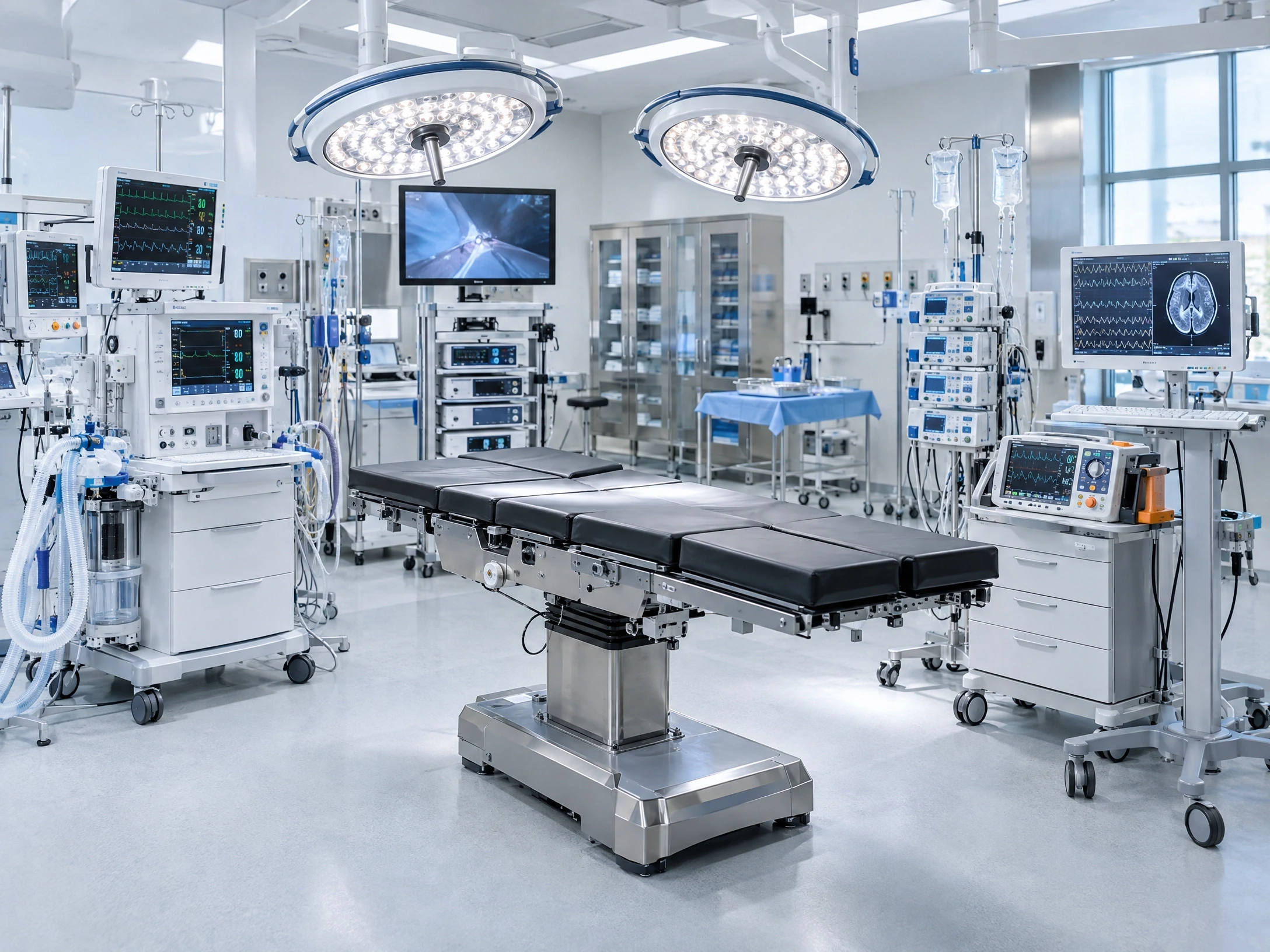
Ventilator disposal is a job most hospitals now face. Many intensive care units hold older fleets alongside surplus units bought during the pandemic. A modern ventilator is also far more than a box with a fan. It carries batteries, oxygen sensors and stored event logs. This guide explains ventilator disposal and ICU equipment recycling in Australia: what we collect, how to prepare each medical ventilator machine and what happens to it after pickup.
E-Waste Collect collects ventilators and respiratory equipment from public and private hospitals, intensive care units, emergency departments, aged care, retrieval services and training centres across Australia. Our own team handles the pickup, so you deal with one company from your first email to the recycling certificate.
Ventilator Disposal: What We Collect
Most hospitals retire ventilators in batches when a fleet is replaced, or clear a storeroom of surplus stock. We collect both. Typical items include:
- ICU ventilators: critical care ventilators on trolleys or pendants, including brands such as Hamilton, Dräger, Getinge Servo and Puritan Bennett.
- Transport and emergency ventilators: portable units used by retrieval teams, emergency departments and ambulances.
- Non invasive ventilators: BiPAP and NIV units used on wards and in sleep services.
- Anaesthesia machines: workstations with ventilators, monitors and gas modules, once vaporisers are drained.
- Respiratory accessories: humidifier bases, high flow units, air compressors, blenders, flow meters and trolleys.
- Linked IT: monitors, data management PCs and bedside computers.
Working, faulty, surplus, obsolete and end of life equipment is accepted. If a unit still works and has a service history, tell us. Working equipment is assessed for reuse or parts recovery before anything is recycled. For home sleep therapy devices, see our guide to CPAP machine disposal.
Why a Medical Ventilator Machine Needs a Specialist Recycler
A ventilator is not a standard piece of e-waste. Four things change how it must be handled.
- Batteries. Most ventilators carry internal and hot swap batteries so they keep running during transport or a power failure. These are removed and recycled separately, never sent to landfill.
- Oxygen sensors. Many units use galvanic oxygen cells that contain lead and an electrolyte. They are removed and sent to the right recycling stream.
- Infection control. Ventilators sit in the patient airway path. Breathing circuits and filters must be removed and surfaces cleaned under your infection control procedures before collection.
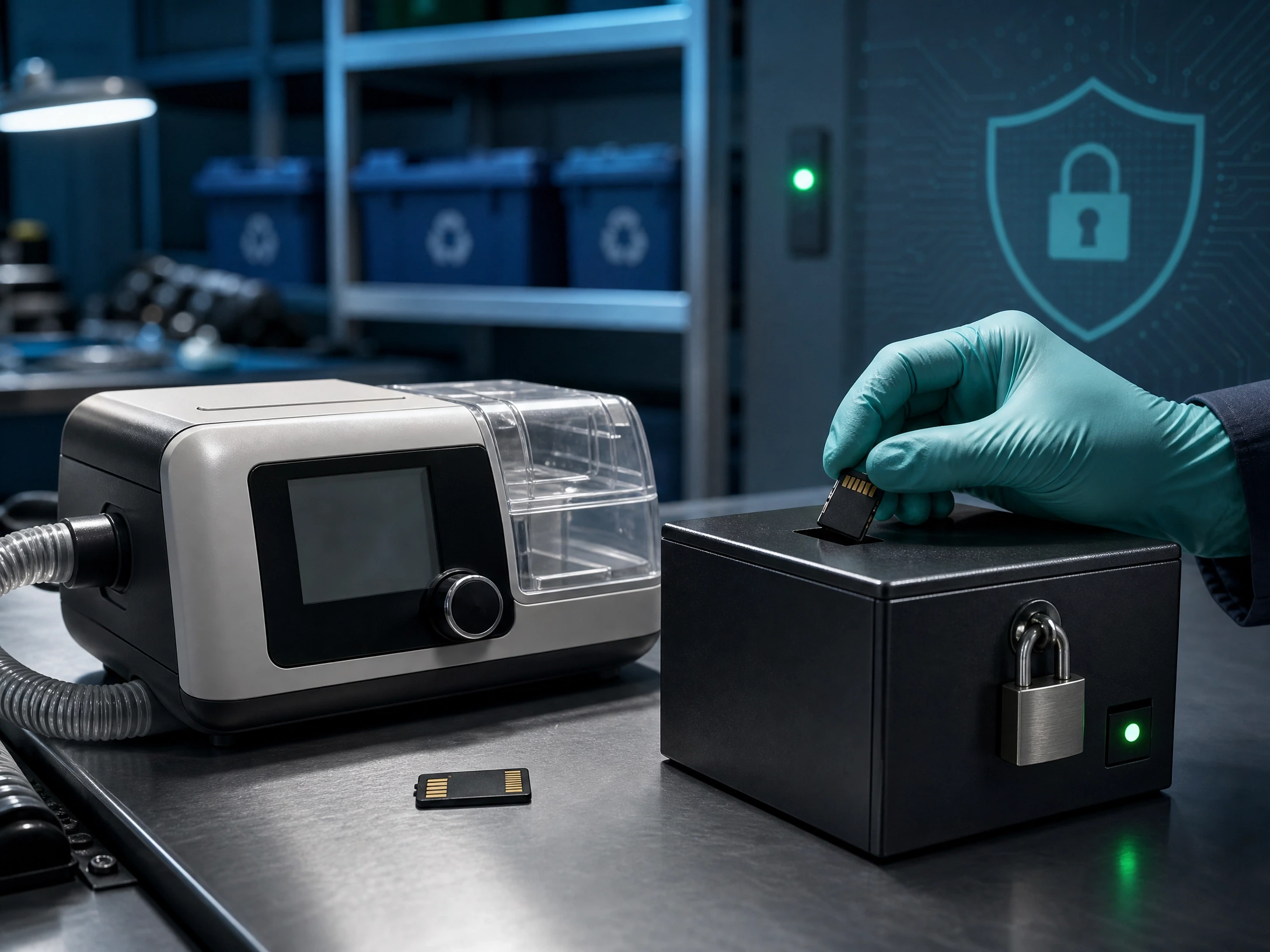
- Patient data. Modern ventilators store alarm and event logs, trends and sometimes patient details. These must be cleared and any linked computers wiped before the equipment moves on.
What We Cannot Collect
A few items stay with your hospital and go through your clinical waste stream:
- Breathing circuits, filters, masks, humidifier chambers and other single use disposables.
- Anything contaminated with body fluids that has not been cleaned.
- Gas cylinders, including oxygen and medical air cylinders on trolleys.
- Anaesthetic agents, chemicals, sharps and pharmaceuticals.
If you are unsure about an item, send a photo and we will confirm before the pickup day.
How Ventilator Disposal Works in 5 Steps
- Send your list. Tell us the make, model and quantity of each item, with photos of the units and the data plates.
- Confirm the plan. We confirm what we can collect, whether pickup is free for your job and how the equipment will leave the building.
- Prepare the equipment. Your biomedical engineering team removes circuits, filters and cylinders, drains any vaporisers and cleans the units. Exporting logs you need for your records is done at this stage.
- Collect. Our own team packs and removes the equipment, working around ward and theatre schedules where needed.
- Erase, recycle and document. Data bearing devices are wiped using Blancco data erasure software. Equipment is reused, broken down for parts or recycled for metals, plastics and circuit boards. You receive a recycling certificate for your asset register.
Clearing Surplus Ventilator Stock
Many health services still hold ventilators that were bought for surge capacity and are now past their service life, or that no longer match the current fleet. Clearing a storeroom of this stock is usually simple, because the units are boxed or on trolleys in one place. Include these points in your request:
- The number of units, their make and model and whether they are boxed.
- Where they are stored, with lift size and loading dock access.
- Whether accessories such as trolleys, humidifiers and compressors are included.
- Who on site will sign for the collection and receive the recycling certificate.
For a full intensive care or theatre refit, see our medical equipment deinstallation service. Retiring perfusion systems at the same time? Read our guide to heart lung machine disposal.
Patient Data and Privacy
Under the Australian Privacy Principles, organisations must take reasonable steps to destroy or de identify personal information they no longer need. The OAIC explains these obligations. For ventilator disposal, that means checking the ventilator memory, linked monitors and any data management computer.
E-Waste Collect wipes data bearing devices using Blancco data erasure software before the equipment is reused or recycled. Our registration and licence details are listed on our certifications and compliance page.
What Happens After Pickup
Every item is assessed in the same order: reuse first, then parts recovery, then material recovery. A working ventilator may be suitable for reuse in training or research. Faulty units are broken down so that turbines, valves, displays and circuit boards can be recovered.
What remains is separated into metals, plastics and electronic scrap for recycling. Batteries and oxygen sensors go to their own recycling streams. When processing is complete, you receive a recycling certificate that lists the collected equipment, with serial numbers where available.
Why Hospitals Choose E-Waste Collect
- Collections completed in every Australian state, with around 80 hospitals, laboratories and clinics served so far.
- Our own collection team, with no subcontractors.
- Blancco data erasure for data bearing devices.
- A recycling certificate for every job.
- Free pickup for eligible jobs, confirmed in writing before booking.
Frequently Asked Questions
Is ventilator disposal free?
Many jobs are free. It depends on the equipment, quantity, location and access. Send your list and photos and we will confirm before booking.
Do you collect surplus ventilators that were never used?
Yes. New, surplus, working, faulty and end of life ventilators are all accepted and assessed for reuse or parts recovery first.
Do I need to remove the breathing circuits and filters?
Yes. Circuits, filters, humidifier chambers and masks are single use clinical items and should go through your hospital clinical waste stream before collection.
What about anaesthesia vaporisers?
Vaporisers must be drained of anaesthetic agent under your hospital procedures before pickup. Tell us if this is not possible and we will discuss the options.
Do you buy used ventilators?
No. E-Waste Collect does not buy equipment. Working units are still collected and assessed for reuse or parts recovery before recycling.
Book a Ventilator Collection
Send a short list of your ventilators and respiratory equipment with photos and your suburb. We will come back with pickup options and eligibility. Request a free pickup quote or call 0402 457 565.
Ventilators are one category among many. For the full service, including what we cannot take, see medical equipment recycling across Australia.