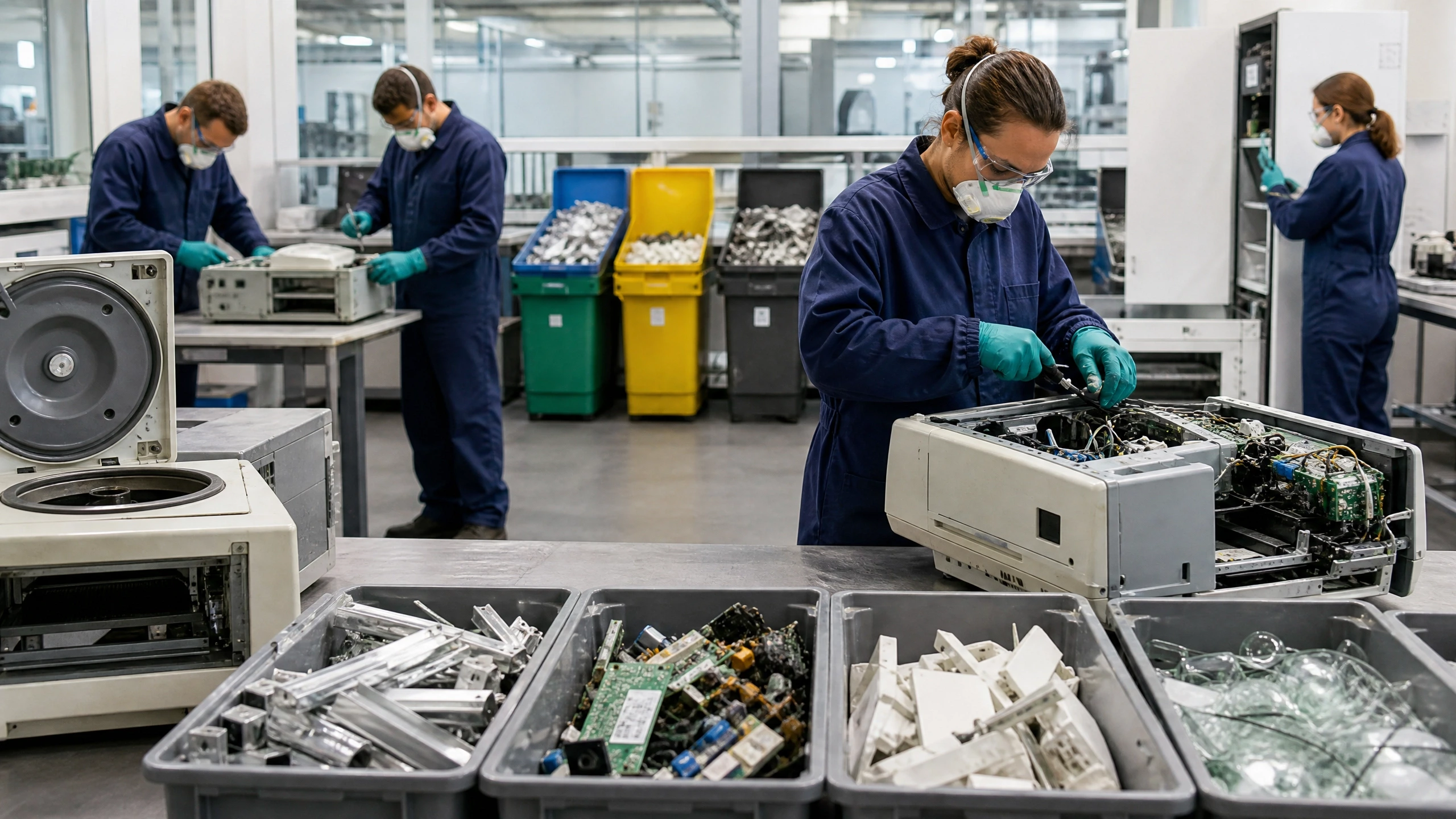
Pathology equipment disposal in Australia is a specialist process. Analysers, centrifuges, microscopes, PCR machines and diagnostic refrigerators do not belong in general waste, standard e-waste skips or kerbside collections. They contain biological residues, hazardous chemicals, data-bearing components and regulated materials that require certified handling from collection through to material recovery.
EwasteCollect provides pathology equipment disposal services across all Australian states and territories. We collect directly from pathology laboratories, hospital pathology departments, general practice clinics, diagnostic imaging centres and research institutions. Our service is free for qualifying organisations and comes with full documentation including a certificate of recycling and, where applicable, a data destruction certificate.
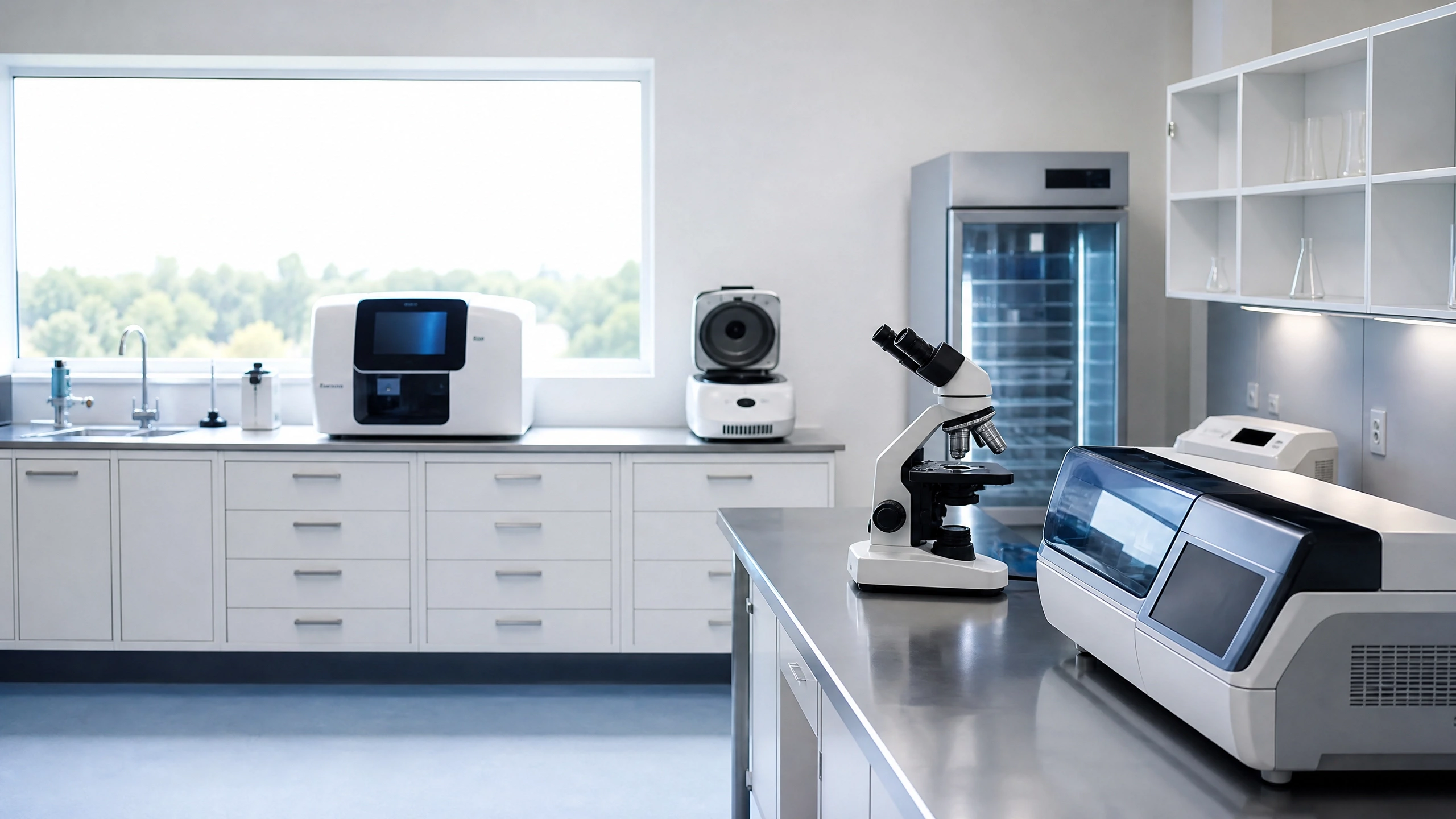
Pathology Equipment Disposal in Australia
What Pathology Equipment We Accept for Disposal
Our pathology equipment disposal service covers the full range of clinical laboratory devices, including:
- Haematology analysers and blood gas analysers
- Biochemistry and immunology analysers
- Centrifuges (including high-speed and refrigerated centrifuges)
- PCR machines, thermocyclers and gel electrophoresis equipment
- Microscopes (light, fluorescence and electron)
- Laboratory refrigerators and freezers (including ultra-low temperature units)
- Incubators, ovens and autoclaves
- Pipetting systems and liquid handling robots
- Flow cytometers and cell counters
- Mass spectrometers and chromatography systems
- Slide stainers, tissue processors and microtomes
- Point-of-care testing devices
- Laboratory information systems workstations and printers
If your device is not listed, contact us. In most cases, pathology equipment disposal can be arranged regardless of brand, age or condition.
Why Pathology Equipment Disposal Requires a Certified Recycler
Standard e-waste recyclers are not equipped to handle pathology equipment disposal safely. The reasons are specific to the nature of laboratory devices.
Biological Contamination Risk
Many laboratory instruments are exposed to blood, urine, tissue samples and other biological materials during routine operation. Even after cleaning, residual biological contamination may be present in fluid pathways, rotors and tubing. Pathology equipment disposal must account for this risk at every stage of the collection and processing chain.
Chemical Hazards
Pathology laboratories use reagents, solvents, fixatives and staining compounds that can contaminate the instruments used with them. Xylene, formalin, acetone and various acid-based reagents may be present in analysers, tissue processors and staining equipment. These substances require careful management during pathology equipment disposal and material separation.
Data and Privacy Obligations
Many analysers, LIS workstations and point-of-care devices store patient data including test results, identifiers and sample records. Under the Australian Privacy Act 1988 and the Therapeutic Goods Administration requirements, this data must be securely destroyed before decommissioning. EwasteCollect provides a data destruction certificate for every device that carries patient information.
Regulated Substances
Pathology equipment such as refrigerators and ultra-low temperature freezers may contain HFC or HCFC refrigerants regulated under the Ozone Protection and Synthetic Greenhouse Gas Management Act. Centrifuge rotors may contain beryllium. Certain analysers contain radioactive calibration sources. Pathology equipment disposal through a certified provider ensures these substances are managed in compliance with applicable Australian law.
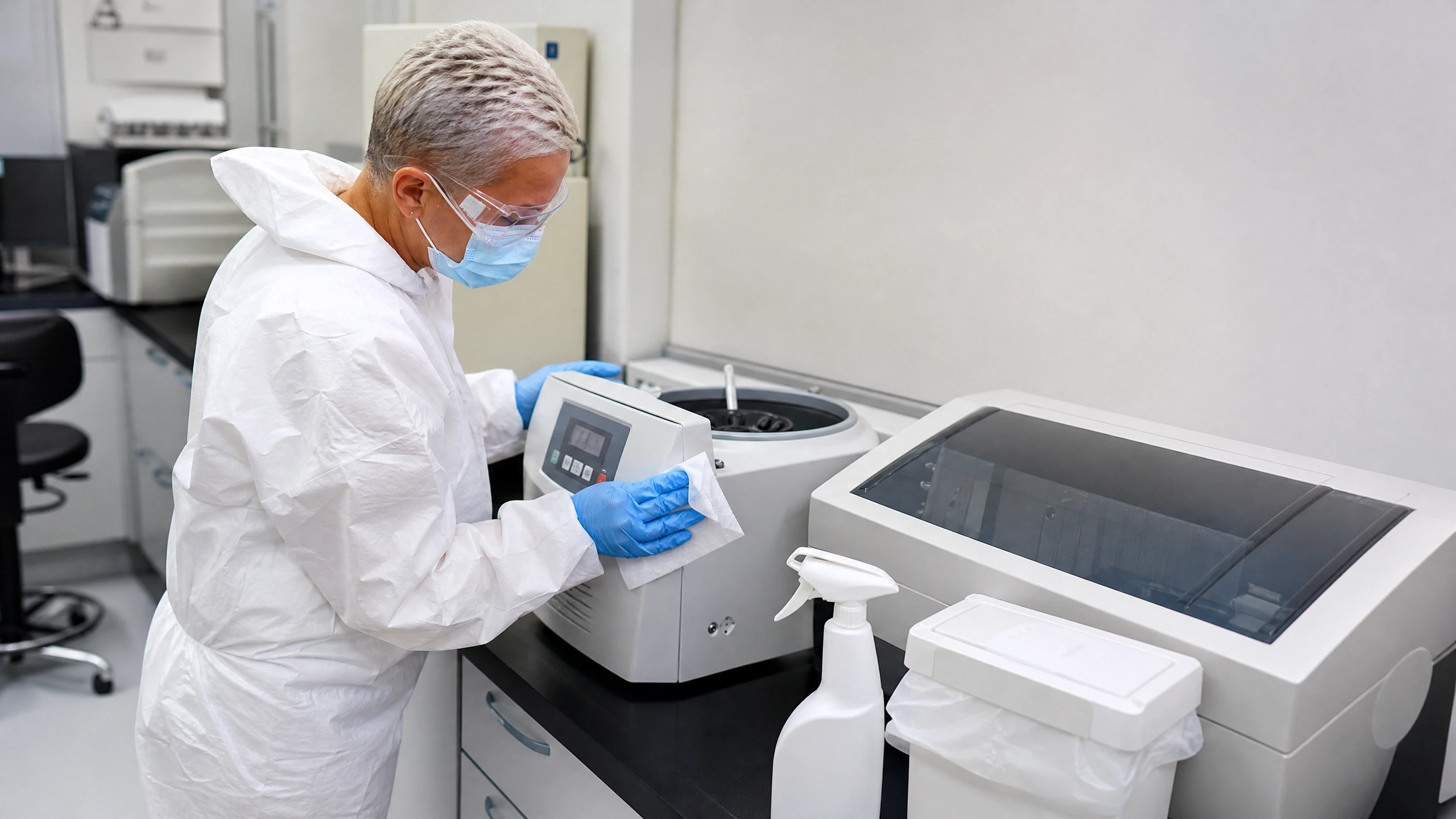
The Pathology Equipment Disposal Process: 4 Steps
EwasteCollect follows a structured four-step process for every pathology equipment disposal engagement.
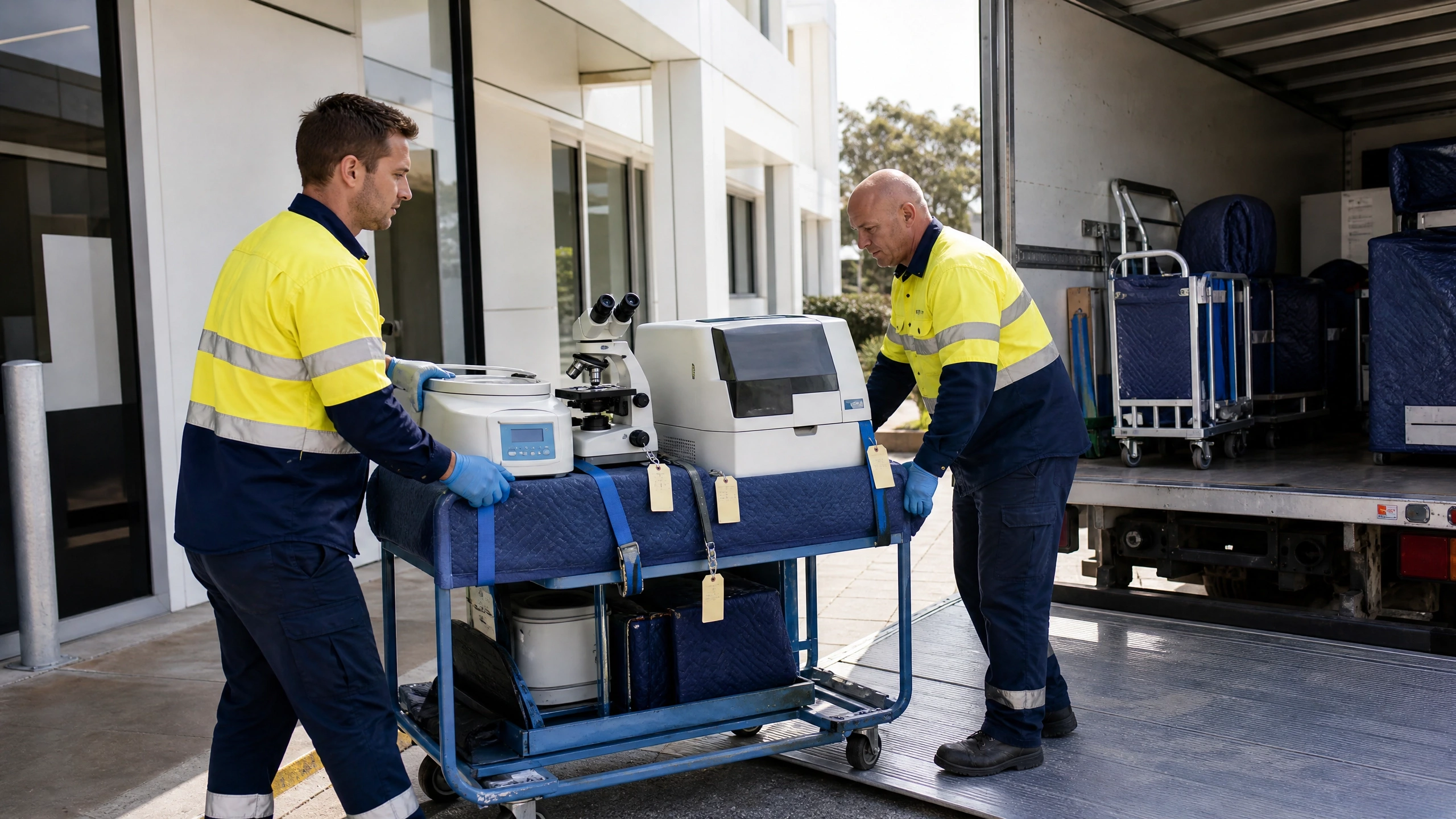
Pathology Equipment Disposal by Facility Type
Hospital Pathology Departments
Hospital pathology departments upgrading major analysers or decommissioning a laboratory require coordinated pathology equipment disposal that minimises disruption to ongoing diagnostic services. EwasteCollect works with facilities managers and infection control teams to schedule collections outside peak operational hours.
Private Pathology Laboratories
Private pathology groups consolidating sites or upgrading equipment generate significant volumes of instruments requiring certified disposal. EwasteCollect supports multi-site collections for private pathology operators, including full audit trails for each collection point.
General Practice and Specialist Clinics
Many GP clinics and specialist practices operate point-of-care testing devices, small analysers and centrifuges. Pathology equipment disposal for clinic settings is typically a single-visit collection covering a small number of items, provided at no cost to qualifying clinical practices.
Research Institutions and Universities
Research laboratories regularly decommission high-value analytical instruments including mass spectrometers, flow cytometers and specialised centrifuges. Pathology equipment disposal for research settings must account for proprietary data stored on connected workstations and for the potential presence of radioactive or chemical standards.
Compliance Requirements for Pathology Equipment Disposal in Australia
Pathology facilities in Australia operate under a range of regulatory frameworks that directly affect equipment disposal obligations.
| Regulation | Applies To | Disposal Relevance |
|---|---|---|
| NPAAC standards | All accredited pathology labs | Equipment records and decommissioning documentation |
| Australian Privacy Act 1988 | All healthcare providers | Data destruction before device disposal |
| State and territory e-waste legislation | All businesses | Prohibition on landfill disposal of e-waste |
| Ozone Protection Act | Labs with refrigerants | Certified recovery of HFC and HCFC refrigerants |
| Radiation Act (state-specific) | Labs with radioactive sources | Licence requirements for disposal |
EwasteCollect pathology equipment disposal service is designed to satisfy all applicable compliance requirements. Our certificates and chain-of-custody records are accepted by regulatory bodies and accreditation auditors.
Book Your Pathology Equipment Disposal
Free collection for pathology laboratories, hospital departments, clinics and research institutions across Australia. Certificate of recycling and data destruction documentation provided.
Book a Free CollectionFor more information on our full range of certified recycling services, see our complete guide to medical equipment recycling in Australia.
What We Do Not Accept
We collect equipment, not waste streams. Please keep the following separate and use your existing licensed providers:
- Hospital beds, bed frames and mattresses
- X-ray film and radiology film archives
- Clinical and biohazard waste
- Sharps such as needles, blades, lancets and scalpels
- Chemicals, solvents, reagents and fixatives
- Samples and biological material, including sample tubes, plates and used consumables
- Pharmaceuticals and medicines
- Pressurised gas cylinders and liquid nitrogen
- Contaminated consumables
- Loose radioactive sources on their own. Equipment with a sealed source still fitted is assessed case by case.
Everything else is welcome, including working, non-working, surplus, outdated, damaged and end-of-life equipment, and single personal or home devices such as CPAP machines, nebulisers and mobility equipment.