Medical Equipment Disposal Regulations Australia
Build a safer, cleaner, and more defensible disposal pathway for medical and laboratory assets with a clear compliance framework tailored to Australia.
What you will learn in this guide
- What counts as medical equipment for disposal planning
- What falls outside this waste stream
- What clinics and hospitals must do to stay compliant
- Which documents should be retained
- How to choose a compliant recycler
- How state and territory rules differ across Australia
- How to manage biohazard, chemical, battery, radiation, and refrigerant risks
- How to prepare equipment for collection and protect sensitive data
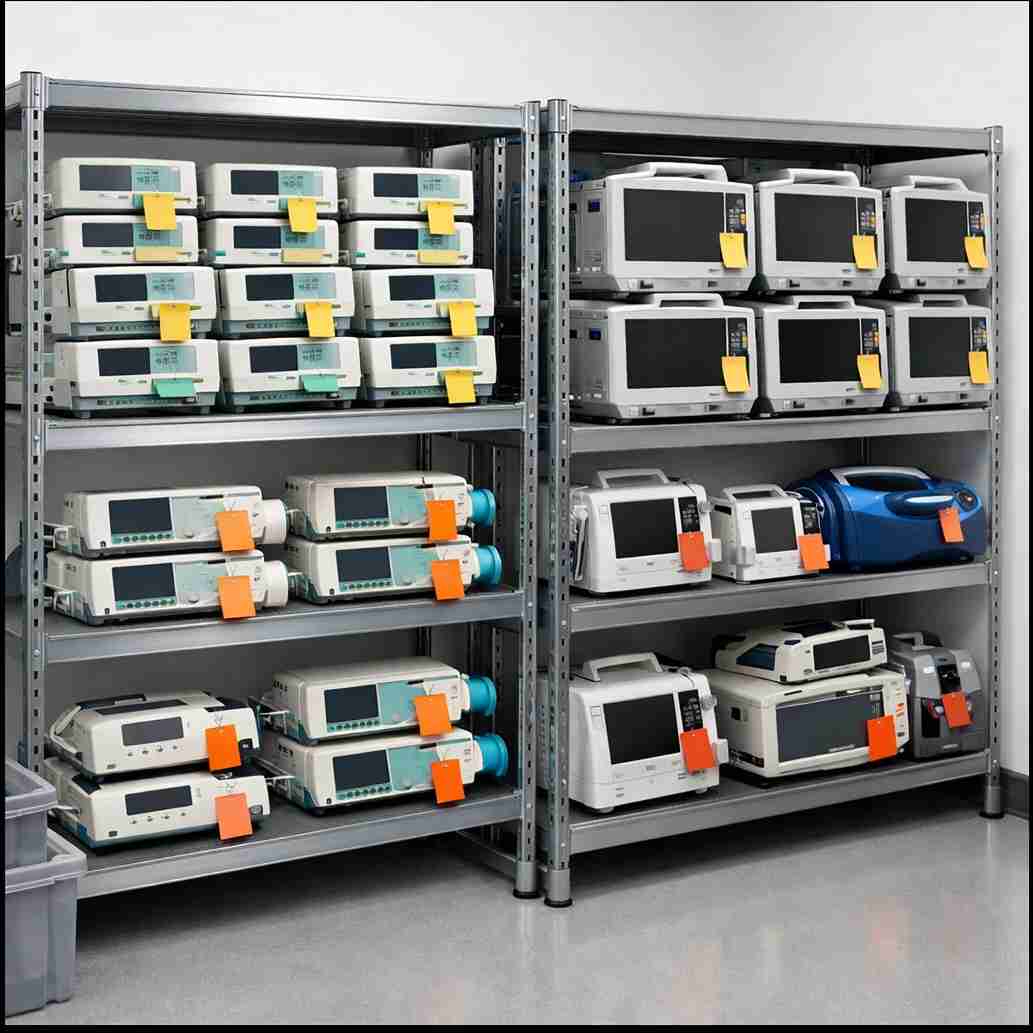

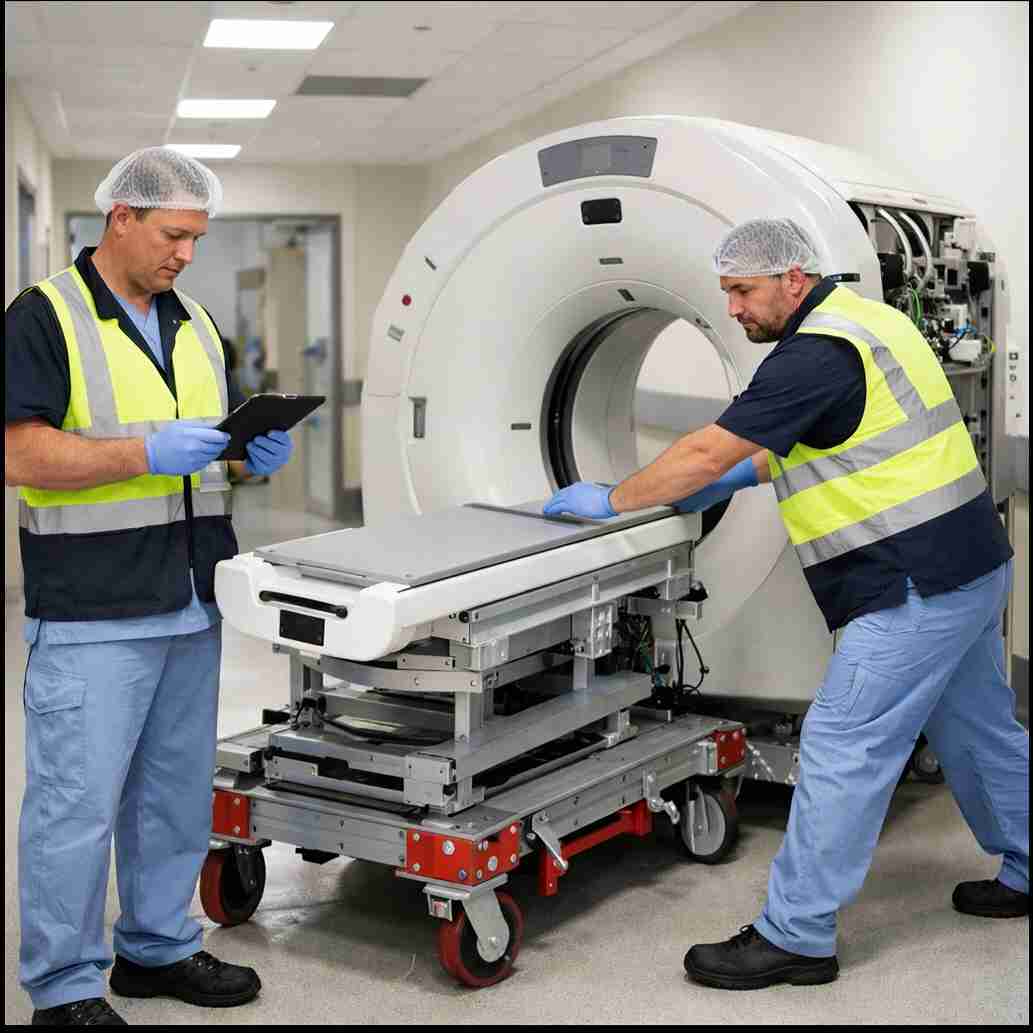
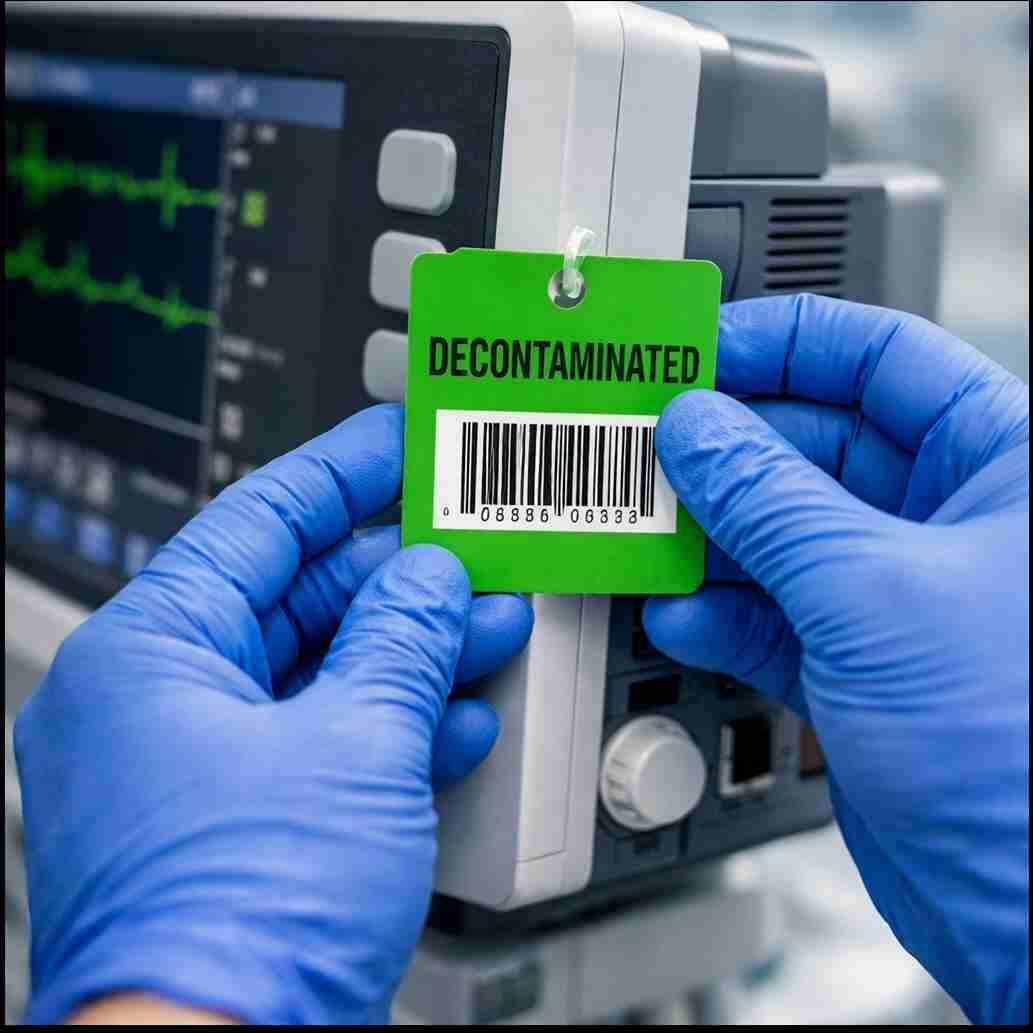
Medical equipment disposal regulations Australia matter far more than many clinics realise at the moment a machine reaches the end of its useful working life. Once a device leaves active service, the job is not simply to move it out of a room and free up floor space. The real task is to manage risk, protect patient information, prevent exposure to hazardous materials, document the pathway of removal, and choose a recycler or recovery partner that understands healthcare compliance. For hospitals, pathology labs, imaging practices, dental centres, aged care facilities, day surgeries, veterinary clinics, and specialist practices, disposal is part of governance, not just facilities management.
Across Australia, the disposal of medical assets sits at the intersection of environmental law, workplace safety, infection control, chemical handling, privacy obligations, transport requirements, and state based waste rules. The national picture may look simple from a distance, but up close it becomes a wonderfully strange compliance jungle. A clinic in Sydney may face one set of administrative expectations around classification and handling, while a hospital in Melbourne may need to think carefully about priority waste concepts and general environmental duties. A regional facility in Queensland or Western Australia may face extra logistical and contractor availability issues. The principle is shared across the country, yet the pathway is never copy and paste.
This pillar page is built to give EwasteCollect readers a practical, Australia focused guide to compliant medical equipment disposal. It explains what counts as medical equipment for disposal planning, what falls outside the scope of this topic, what clinics and hospitals should document, how to evaluate a recycler, how risk should be managed, what state and territory differences matter, and what internal checks should be completed before collection. The goal is simple. Help healthcare organisations make calm, defensible, well documented disposal decisions that stand up to operational scrutiny.
For many facilities, the biggest mistake is assuming that old equipment automatically belongs in a standard electronic waste stream. That assumption can become expensive in a hurry. Some devices hold patient data. Some contain batteries, refrigerants, leaded glass, chemical residues, sealed sources, oils, heavy metals, or components that require specialist handling. Some have surfaces or internal channels that have been in contact with patients, samples, or bodily materials. Some need deinstallation before they can even be moved safely. That is why medical equipment disposal regulations Australia should be treated as a structured compliance process rather than a general cleanout job.
If your organisation is planning a room upgrade, replacing analyzers, retiring imaging units, clearing storage, closing a site, or removing long idle equipment that has been gathering dust like a haunted monument to procurement budgets past, this guide will help you build the right pathway. It is written for real decision making, not for decorative policy binders that nobody opens until a problem appears.

What counts as medical equipment for disposal planning
For compliance purposes, medical equipment should be understood as the physical devices, systems, and support units used in clinical, diagnostic, research, treatment, sterilisation, storage, monitoring, or therapeutic settings that require controlled retirement, reuse assessment, decommissioning, recycling, or destruction when no longer fit for service. This definition is intentionally broad because healthcare environments use equipment that ranges from compact portable electronics to room sized installations.
In practice, this can include imaging systems such as X ray units, ultrasound systems, C arm platforms, mobile radiography devices, and associated consoles. It can include laboratory analyzers used in pathology, microbiology, chemistry, haematology, histology, and research settings. It can include patient monitors, infusion pumps, ventilators, suction systems, defibrillators, dialysis equipment, sterilizers, autoclaves, washer disinfectors, dental systems, surgical light platforms, treatment chairs, procedure tables, medical fridges, biomedical freezers, incubators, and cold chain storage units. It can also include support assets such as battery backed carts, networked workstations linked to diagnostic systems, and integrated power units.
Some equipment categories attract additional compliance interest because they carry multiple risk layers at once. A pathology analyzer may involve data storage, reagent residues, sample contact surfaces, and electrical components. A freezer may involve refrigerant recovery, temperature sensitive history logs, and battery backed alarm systems. An imaging system may involve data security, lead shielding materials, oils, electronics, and in certain cases radiation control issues during deinstallation. This is why a one size fits all disposal script rarely survives contact with real healthcare operations.
Another important point is that disposal planning is not limited to broken equipment. A machine can be fully functional and still require a formal disposal pathway if it is obsolete, unsupported, unsafe to maintain, superseded by new models, unserviceable due to parts scarcity, no longer aligned with clinical standards, or too costly to validate. In other words, retirement is a governance decision as much as a technical one.
For clinics and hospitals, good disposal planning begins with asset awareness. You need to know what the item is, where it has been used, what it contains, whether it stores data, whether it has been exposed to clinical materials, whether it needs isolation or draining, and whether it can move as a simple pickup item or requires formal deinstallation. Facilities that identify these variables early usually avoid the chaos that appears later when contractors arrive and discover the machine is not collection ready.
What is outside the scope of this guide
This page focuses on equipment itself, not every waste stream generated inside healthcare. That distinction matters because the legal pathway, packaging requirements, treatment methods, and contractor qualifications can vary significantly. If everything is treated as one giant category called medical stuff, compliance becomes blurry very quickly.
Clinical waste is a separate stream. Items contaminated with blood, bodily fluids, pathological material, or infectious risk are usually controlled under specific clinical waste rules. Sharps are another separate stream and demand their own containers, handling, and treatment requirements. Pharmaceutical waste follows different destruction pathways. Cytotoxic waste, anatomical waste, and highly infectious material also sit outside standard equipment disposal planning.
Standalone radioactive sources fall into a specialised area with their own regulators, licences, and handling expectations. While a device that once formed part of a radiation workflow may appear in equipment disposal planning, the management of a source itself is not a routine electronic waste exercise. Similarly, hazardous chemicals stored, used, or generated within healthcare operations may require management under workplace hazardous chemical obligations as well as environmental controls.
General consumer electronic waste programs also do not automatically solve the problem. A public drop off point for televisions, household printers, or office electronics is not designed to manage an infusion device with patient use history, a laboratory unit with residues, or a medical freezer that still contains regulated refrigerant. Treating healthcare equipment like ordinary household electronics is one of those shortcuts that looks tidy on paper and messy everywhere else.
The practical lesson is clear. Before disposal begins, a facility should determine whether the item is equipment only, contaminated equipment, data bearing equipment, battery containing equipment, refrigerant containing equipment, chemically affected equipment, or equipment requiring specialised deinstallation. Once you classify correctly, the correct pathway becomes much easier to defend.
Compliance overview for clinics and hospitals
The core obligation facing healthcare facilities is to ensure that end of life equipment is managed in a way that is safe, lawful, traceable, and appropriate for the risks the item presents. That sounds obvious, but compliance lives in details. It lives in the assessment carried out before pickup, the sign off done internally, the condition in which the equipment is handed over, and the standard of the contractor receiving it.
At the beginning of the process, a facility should identify the item accurately. Brand, model, serial number, current condition, location, department, and service history should be logged. Then comes classification. Does the item contain hazardous substances. Does it contain batteries. Does it hold data. Was it used in a clinical environment where contamination is possible. Is refrigerant present. Does it include shielding or specialised components. Can it move safely without deinstallation. Those questions form the backbone of compliant planning.
Once identified, the equipment should be reviewed by relevant internal stakeholders. Depending on the asset, this may include biomedical engineering, facilities management, infection control, health and safety, environmental services, procurement, and information technology. This cross functional review is not bureaucratic theatre. It helps prevent the classic healthcare disposal blunder where one team assumes another team has already checked for contamination, data, or component hazards.
Decontamination is one of the most important compliance steps. If an item has been used near patients, samples, treatment processes, or any environment where contamination is plausible, it should be cleaned and prepared according to the facility's infection control procedures before collection. Removal of consumables, tubing, cartridges, sharps related components, and fluids should be completed in house unless a specialised arrangement exists. A recycler should not have to guess whether the item is safe to touch. Guesswork is a terrible quality system.
Segregation comes next. Batteries should be separated where possible. Loose chemical containers should be removed. Refrigerant containing units may require licensed recovery work before the body of the unit enters a recycling stream. Data bearing components should be identified for wiping or destruction. Some facilities choose to centralise retired items in a controlled holding area so assessment, sign off, and collection can occur consistently. This is often more reliable than leaving retired devices scattered through departments like archaeological finds.
Storage before collection also matters. End of life equipment should be held securely, protected from weather, and clearly identified as awaiting compliant disposal or recycling. Access should be limited where data, chemicals, or removable parts are involved. The longer equipment sits in an unstructured holding pattern, the greater the risk of parts removal, record loss, contamination confusion, or ad hoc disposal by someone trying to be helpful.
Facilities must also maintain adequate records. A compliant disposal pathway should generate evidence, not just confidence. If a regulator, auditor, insurer, or internal governance team later asks what happened to the equipment, the answer should not depend on memory and crossed fingers. It should be supported by asset logs, classification notes, transport records, contractor details, certificates, and internal approvals.
Finally, staff training should not be ignored. Everyone involved in retirement, storage, sign off, release, and transport preparation should understand the internal procedure. That does not mean every employee needs a law degree and a six page flow chart tattooed on their forearm. It means the right people know what to check, who approves what, and when a specialist pathway is required.
Strong compliance is rarely about one dramatic action. It is usually the result of many small disciplined actions completed in the correct order. That is exactly what makes medical equipment disposal regulations Australia manageable for well prepared clinics and hospitals. The process becomes less about panic and more about system.

Documentation to keep for compliant disposal
Documentation is where good intentions either become auditable reality or evaporate into folklore. In a healthcare setting, records are essential because disposal decisions can affect environmental obligations, workplace safety, infection control standards, patient privacy, procurement accountability, and insurance exposure. When paperwork is weak, even a decent disposal outcome can be difficult to prove. When paperwork is strong, the facility can demonstrate diligence even if a regulator or auditor asks detailed questions months later.
The first document many facilities need is an asset retirement record. This should capture what the item is, where it came from, why it is being retired, who approved the decision, and what disposal pathway was selected. Ideally, this sits within or alongside the asset register so the item remains traceable from purchase to retirement. Serial numbers and equipment tags should match internal systems. If a device has accessories or modules removed separately, those should be noted too.
A classification or risk assessment record should also be completed. This is where the facility records whether the item is contaminated, data bearing, refrigerant containing, battery containing, chemically affected, or otherwise subject to special handling. The purpose of this record is not academic. It explains why the facility chose a certain collection, transport, decontamination, or destruction route. Without that justification, the disposal pathway can look arbitrary even when it was sensible.
Decontamination records are especially important for equipment used in patient care or laboratory environments. A good record should show what cleaning or disinfection step was completed, by whom, on what date, and under which internal procedure. It should also indicate whether consumables were removed and whether visible contamination had been cleared. This protects downstream handlers and gives the recycler confidence that the item can enter the next stage safely.
For equipment containing hazardous chemicals or materials, supporting documents may include relevant safety data sheets, internal hazardous material notes, and any handling instructions applicable during removal or transport. If a device includes refrigerant, battery systems, or unusual materials, the facility should retain service or removal records showing that those components were isolated, recovered, or flagged correctly. In some settings, contractor notes from licensed technicians should be retained with the disposal file.
Chain of custody records are another major control. These records should show when the equipment left the facility, who received it, what quantities were transferred, and where it was going. If the contractor uses collection dockets, transport records, consignment paperwork, or job numbers, those details should be captured and linked back to the retired asset. The point is to preserve traceability from internal handover to downstream processing. If the trail breaks, confidence breaks with it.
Certificates issued by the recycler should be filed carefully. A recycling certificate or destruction certificate helps demonstrate that the equipment entered a defined processing pathway rather than vanishing into contractor fog. For data bearing devices, a data destruction certificate can be even more important. A hospital that wipes or destroys storage devices internally should still retain records showing the method used, the date, the responsible team, and the asset identifiers involved.
Internal sign off records should not be treated as optional decoration. Depending on the equipment, a disposal file may require approval from facilities, infection control, biomedical engineering, information technology, and health and safety. When these approvals are captured properly, the facility can show that disposal was considered from every relevant operational angle. That multidisciplinary sign off becomes especially valuable when removing complex systems such as analyzers, imaging units, or networked devices.
Another smart inclusion is contractor due diligence material. This can include licences, insurance evidence, standard process summaries, contact details, service scope documents, and relevant quality or environmental certifications. If the facility selected a recycler because the contractor could handle data destruction, deinstallation, refrigerant recovery, or specialised component segregation, that capability should be reflected in the retained file.
In mature healthcare environments, documentation is not just about meeting a rule. It is about creating a defensible narrative. The file should tell a clear story. The equipment was identified, assessed, made safe, approved for release, transferred to a competent party, and processed according to the selected pathway. That story is the difference between orderly governance and improvised memory.
When building a policy for medical equipment disposal regulations Australia, a useful principle is to document every decision that would be difficult to reconstruct later. If someone asks whether a device held data, whether it was decontaminated, whether batteries were removed, or who collected it, the answer should be inside the record pack. Compliance likes records because records outlive meetings.
How to choose a compliant recycler
Choosing a recycler for medical equipment is not the same as choosing a general junk removal company. The right partner should understand that healthcare assets can involve data, contamination control, hazardous materials, and documented chain of custody. A truck and a smile are not enough. The contractor needs process maturity, not just collection capacity.
Start with scope. Ask whether the recycler handles the types of assets your facility needs removed. Some operators are comfortable with small electronic items and low complexity pickups but struggle when faced with imaging components, laboratory equipment, heavy cold chain units, or systems that require partial dismantling before transport. If your site needs deinstallation, data destruction, refrigerant recovery, battery segregation, or department by department asset logging, the contractor should say so clearly and show how those steps are managed.
Next, look for evidence of documented process. A capable recycler should be able to explain how items are received, identified, segregated, stored, processed, and reported. They should have a method for tracking collections from site pickup through final treatment. They should know what evidence they provide at handover and what certificates are issued after processing. Vague answers are a warning sign. In disposal work, vagueness breeds surprises, and surprises breed phone calls nobody enjoys.
Data security should be discussed early, not after the truck has left. Ask how the recycler handles devices with storage media or embedded memory. Ask whether data is wiped, destroyed, or both, and how the result is documented. Ask whether serial numbers can be tied to destruction evidence. For healthcare facilities, privacy exposure can sit quietly inside equipment that looks harmless from the outside. Monitors, imaging consoles, analyzers, and workstations can all hold sensitive information or system credentials.
Hazard management capability is equally important. A compliant recycler should understand the difference between a battery containing unit, a refrigerant containing unit, a contaminated device, and equipment with components that require specialist treatment. They should be able to identify what they can accept directly, what needs preparation by the facility, and what requires a specialist subcontractor. Reputable operators are usually comfortable drawing those boundaries. The reckless ones tend to nod at everything.
Ask about downstream processing as well. The best collection story in the world means very little if the downstream fate of the equipment is opaque. Facilities should prefer contractors that can explain where materials go, how reusable parts are handled, how hazardous fractions are managed, and whether downstream vendors are vetted. Responsible disposal is a chain, not a single event at the loading dock.
Operational reliability matters too. Does the recycler provide job documentation before and after collection. Can they support site inductions, access restrictions, after hours pickups, and staged removal plans. Can they work safely around patient areas or active departments. Can they adapt to hospital logistics such as lifts, loading dock rules, and internal asset release procedures. A technically compliant contractor who cannot operate within healthcare reality may still create risk.
Quality indicators can support decision making, though they should not replace real due diligence. Environmental management systems, quality systems, health and safety frameworks, and electronic waste related standards may all contribute to confidence. But logos and certificates should be treated as supporting evidence, not magic spells. The real question is whether the contractor can show a healthcare appropriate process from start to finish.
One of the most practical checks is to ask what the recycler needs from your team before collection. Good operators usually request an asset list, contamination status, access notes, data handling requirements, and hazard details. That is a sign they understand the work. Contractors who ask for nothing often discover problems late, and late discoveries in disposal projects are like loose glitter at a craft table. They spread everywhere and nobody is happy.
For healthcare organisations trying to comply with medical equipment disposal regulations Australia, the best recycler is not just the cheapest or closest provider. It is the partner that gives you a documented, transparent, auditable pathway with sensible controls around handling, movement, reporting, and final treatment.

State and territory overview across Australia
One of the most important truths in this topic is that Australia does not operate under a single uniform medical equipment disposal code for every scenario. The national compliance picture is shaped by state and territory frameworks, environmental regulators, workplace safety obligations, health guidance, and specialist controls such as radiation regulation. That means a disposal program should be designed with Australia wide principles in mind and then checked against the local jurisdiction where the equipment is located.
In New South Wales, facilities should pay close attention to environmental protection and health guidance around clinical and related waste, classification, and the handling of waste with special characteristics. In Victoria, the language of industrial waste and reportable priority concepts can become highly relevant, along with broader environmental duties that require organisations to minimise risk and manage waste responsibly. Queensland facilities need to consider regulated waste obligations and transport issues. Western Australia has important health and waste management expectations that affect how healthcare waste and related equipment are managed. South Australia, Tasmania, the Australian Capital Territory, and the Northern Territory all have their own terminology, administrative pathways, and practical expectations.
The good news is that the core logic remains recognisable across the country. Facilities need to identify hazards, classify accurately, store safely, use appropriate contractors, maintain records, and prevent harm to people and the environment. The differences usually emerge in terminology, forms, transport controls, approvals, and reporting expectations rather than in the basic moral idea that dumping risky healthcare assets carelessly is a terrible plan.
For organisations operating across more than one state, the smartest approach is usually to set one strong internal national standard and then map local requirements on top of it. This avoids a fragmented system where each site improvises. A central policy can define minimum requirements for identification, data review, decontamination, battery segregation, documentation, contractor vetting, and certificate retention. Local site procedures can then address state specific transport, tracking, waste terms, and regulator references.
It is also important to remember that regulators may focus on different risk themes. One jurisdiction may place practical emphasis on waste classification and lawful transport. Another may stress broader environmental duties and prevention of harm. Another may draw stronger attention to controlled waste movement or specialist approvals. That is why healthcare organisations should resist the temptation to copy a checklist from another state and assume it will fit perfectly. Compliance copied without context is often just optimism wearing a uniform.
For a national audience, the best operational question is not which state is strictest. The better question is this. What does our facility need to prove, document, and control in this jurisdiction for this specific equipment type. Once you ask that, the disposal plan usually becomes clearer. State based awareness is not a side note. It is part of the core architecture of medical equipment disposal regulations Australia.
As a practical content strategy for EwasteCollect, this national page should also serve as the parent pillar for future city and state cluster pages. For example, separate pages can later target Sydney, Melbourne, Brisbane, Perth, Adelaide, Hobart, Canberra, and Darwin, as well as topic clusters around X ray disposal, laboratory equipment disposal, medical freezer disposal, and secure destruction of data bearing devices. That structure turns one strong regulatory guide into a whole search ecosystem instead of a lonely article doing all the lifting by itself.
Risk management for biohazard, chemicals, batteries, radiation, and refrigerants
Risk management is where disposal stops being a paperwork exercise and becomes a real operational discipline. A healthcare facility may retire a device because it is outdated or broken, but the hazards associated with that item do not retire themselves politely. They remain until identified and controlled. That is why disposal planning should be treated as a structured risk exercise rather than a removal request.
Biohazard risk is often the first concern. Equipment used in patient care, pathology, treatment rooms, procedure spaces, or sample handling areas may have contamination potential even when it looks clean. Surfaces, connectors, tubing interfaces, fluid paths, and accessories can all hold risk. The facility should decide whether the item requires cleaning, disinfection, or a higher level decontamination step before release. Clear labelling and internal sign off are useful controls because they tell everyone downstream that the item has been assessed and prepared correctly.
Chemical risk can appear in analyzers, sterilisation systems, diagnostic units, and older medical devices containing specific hazardous components. The facility should determine whether reagents, oils, coolants, mercury containing elements, or other chemical residues are present. If they are, removal and segregation may be necessary before the unit is handed to a recycler. Safety information relevant to those substances should be available to the teams managing removal and transport preparation. A chemical hazard ignored at retirement does not become less hazardous merely because the asset register says disposed.
Battery risk deserves serious attention, especially where lithium based systems are involved. Many healthcare devices now include internal batteries, backup packs, portable modules, alarm systems, or power support accessories. Damaged, swollen, loose, or poorly isolated batteries can create fire and transport risks. Facilities should remove batteries where safe and feasible, protect terminals where needed, segregate loose batteries, and clearly identify any device that still contains a battery system. In a disposal program, battery control is one of those details that seems fussy right up until the day it really matters.
Radiation related risk applies in particular to equipment used in imaging, therapeutic contexts, densitometry, or calibration settings, as well as any device associated with regulated sources. This area often requires specialist review, licensed handling, and more formal decommissioning planning. Facilities should not assume that because a machine is powered off it is automatically cleared for ordinary removal. Radiation associated equipment should be reviewed carefully so source related, shielding, or component level obligations are understood before dismantling or transport begins.
Refrigerant risk appears in cold storage assets such as laboratory fridges, biomedical freezers, vaccine units, and ultra low temperature systems. Refrigerants may require licensed recovery and careful documentation before the body of the equipment can move into a standard recycling flow. Releasing refrigerant carelessly can create environmental harm and compliance exposure. In practice, a facility should confirm whether recovery is needed, who performs it, and how the service evidence is retained.
Manual handling and site safety are also part of risk management, even though they are not as glamorous as chemistry or radiation. Medical equipment is often bulky, awkward, fragile, top heavy, or installed in confined areas. Doorways, lifts, loading docks, stairs, and active patient environments all shape risk. A compliant removal plan should therefore consider weight, access, route control, traffic management, isolation needs, and whether partial dismantling is required. Plenty of disposal projects become dangerous not because the item was chemically dramatic, but because someone underestimated size, mass, or movement constraints.
Data security risk is often intertwined with physical risk. A device held in a hallway while awaiting collection may also contain patient identifiers or system credentials. That means storage and access control are part of risk management too. Secure holding areas, tagged devices, controlled pickup windows, and documented handover procedures all help reduce the chance of unauthorised access or accidental release.
The most effective facilities do not manage these risks separately in isolated silos. They use one disposal assessment process that asks practical questions about contamination, data, chemical content, batteries, refrigerants, access, and specialist handling. That integrated approach is far more resilient than trying to patch risks one by one after collection has already been booked. In the world of medical equipment disposal regulations Australia, early assessment is cheaper than late discovery every single time.
Data security in end of life medical devices
Healthcare organisations are rightly alert to cyber security and privacy risk while equipment is in active use, yet many underestimate the same risk at the point of disposal. End of life devices may still contain patient records, scan images, treatment settings, user accounts, audit logs, network details, browser history, embedded reports, or cached credentials. That information can sit inside obvious storage media such as hard drives, but it can also live in less obvious places such as solid state modules, internal flash memory, removable cards, or application level storage built into the device.
Imaging systems are a classic example. Consoles and review stations may store studies, identifiers, and workflow data long after the machine leaves service. Laboratory analyzers can hold results, calibrations, operator accounts, and configuration details. Patient monitors and treatment devices may retain logs tied to patient events or user sessions. Even support computers attached to clinical systems may hold enough information to create a privacy incident if handled carelessly.
A compliant disposal program should therefore begin with one simple question. Does this item hold or access sensitive information. If the answer may be yes, the facility should involve its information technology or security function before collection. Data bearing assets should be assessed for wiping, destruction, or both. The method chosen will depend on the device type, storage medium, internal policy, and the practical reality of the equipment condition.
Some facilities prefer software based wiping when devices remain functional and storage can be accessed safely. Others choose physical destruction for high risk or non functional media. In either case, the crucial point is evidence. The facility should be able to show what was done, by whom, on what date, using which method, and against which asset identifiers. Where a recycler performs the destruction step, the service scope and resulting certificate should be explicit.
Chain of custody becomes especially important for data bearing devices. Once a machine leaves a secure internal area, the opportunity for loss or unauthorised access expands. That is why serial number capture, controlled staging, supervised handover, and documented transport are not mere administrative habits. They are practical privacy controls. In a healthcare context, privacy exposure can emerge from moments that feel routine, such as moving a retired workstation through a corridor or leaving a monitor in an open storeroom awaiting pickup.
Another important point is that data security should not be limited to patient information alone. Medical devices can also store network names, passwords, maintenance accounts, system maps, and integration details. Those technical fragments may not look dramatic on their own, but together they can reveal useful information about the organisation's digital environment. Retirement is therefore a security event, not just an asset event.
When healthcare facilities align their disposal program with privacy expectations, they protect more than compliance. They protect trust. Patients reasonably expect their information to be guarded not only while care is delivered, but also when devices are retired, replaced, or recycled. Treating disposal as a secure information handling process is one of the clearest ways to show that the organisation understands the full lifecycle of risk.
Decontamination before collection
Before medical equipment leaves a clinic or hospital, it should be prepared so downstream handlers are not exposed to avoidable risk. That preparation starts with decontamination. In practical terms, decontamination means making sure the item is cleaned, cleared of obvious contamination, stripped of disposable consumables, and assessed for any remaining hazard that could affect movement, storage, or recycling.
The first stage is usually physical cleaning. Dust, residues, tape, adhesive buildup, bodily material, and department level debris should be removed according to internal procedures. Cleaning matters because it reduces risk and also allows a clearer inspection of the equipment. Dirt hides labels, ports, leaks, and damage. Clean equipment is easier to assess honestly.
The second stage depends on how the equipment was used. Some devices need disinfection because they were used around patients or clinical materials. Others may require more formal decontamination due to laboratory exposure or contact with fluids. The exact protocol should align with the facility's infection control framework. What matters for disposal is not performing random heroic wiping rituals. What matters is following an approved internal method and recording that it happened.
Consumables and detachable items should be removed as part of preparation. Tubing, cassettes, sample holders, cartridges, filters, medication related parts, and sharps adjacent attachments should not remain in or on equipment unless the disposal pathway specifically expects them. Removing these items helps prevent confusion and reduces the chance that a general equipment load contains a hidden regulated waste component.
Liquids and chemical containers should also be addressed. If the equipment contains coolants, reagents, oils, or residual process fluids, the facility should determine whether draining or specialist isolation is required before movement. Refrigerant containing units are a separate issue and may need licensed recovery arrangements. Loose chemical contents should never be allowed to ride along casually inside a machine during transport like a mischievous stowaway.
Batteries deserve their own preparation check. If safe removal is possible, it may be preferable to separate them for dedicated handling. If not, the equipment should be labelled so the recycler knows a battery remains installed. Exposed terminals on loose batteries should be protected where appropriate. This is a simple but powerful control that helps prevent heat, sparks, or damage during staging and transit.
Facilities should also verify whether the equipment has data storage, sealed sources, shielding materials, or components that require specialist review before release. This is why decontamination and release readiness are best treated as one integrated checklist rather than isolated tasks handled by different teams with incomplete information.
At the end of preparation, a designated internal officer should sign off that the item is ready for collection. This sign off should confirm the condition of the equipment, the completion of the required steps, and any known residual risks. Once this discipline becomes routine, collection events tend to run more smoothly. Recyclers receive clearer information. Internal teams have fewer last minute surprises. Most importantly, the facility shows that disposal has been managed as a controlled process rather than a hurried room clearing exercise.

Clinic and hospital compliance checklist
A strong disposal checklist turns policy into action. It gives teams a repeatable sequence so important steps are not missed when equipment is retired under time pressure. The following checklist structure can be adapted by clinics, hospitals, laboratories, dental groups, imaging centres, and aged care providers.
Internal disposal readiness checklist
- Confirm the equipment name, brand, model, serial number, current location, and department owner.
- Record the reason for retirement, such as obsolescence, failure, upgrade, site closure, or replacement.
- Assess whether the item contains patient data, embedded storage, or network credentials.
- Assess whether the item has contamination potential based on where and how it was used.
- Check for batteries, refrigerants, leaded components, reagents, oils, or other hazardous materials.
- Determine whether deinstallation, dismantling, or licensed technical support is required before movement.
- Complete cleaning and decontamination steps under the relevant internal procedure.
- Remove consumables, detachable clinical accessories, sample related items, and loose chemical contents where required.
- Arrange secure data wiping or physical destruction for data bearing components.
- Label the equipment clearly as ready for disposal, collection pending, or specialist handling required.
- Move the item into a secure staging area with controlled access where appropriate.
- Complete internal sign off from facilities, biomedical, information technology, infection control, or other required teams.
- Match the asset with the chosen contractor and confirm the collection scope.
- Prepare transport records, chain of custody notes, and any site access instructions.
- Retain all post collection evidence, including certificates and job completion records.
Recycler due diligence checklist
- Confirm the recycler handles healthcare equipment rather than general office electronics only.
- Ask whether they can manage deinstallation, data destruction, battery handling, refrigerant related assets, and staged hospital pickups where needed.
- Request details of their chain of custody process from site pickup to final treatment.
- Confirm what records are issued at collection and after processing.
- Ask how serial numbers or asset identifiers are linked to destruction or recycling evidence.
- Confirm how contaminated or partially decontaminated items are handled.
- Review their approach to downstream vendors and material destinations.
- Request evidence of licences, insurance, quality processes, and safety systems relevant to the service scope.
- Check whether they understand the jurisdictional requirements that apply at your site.
- Confirm communication channels, escalation contacts, and site operation requirements before the job begins.
These checklists may look simple, but that simplicity is the point. In operational environments, the best checklist is the one people actually use. A good list creates consistency, and consistency is a major ally when dealing with medical equipment disposal regulations Australia.
Why this topic matters for procurement, governance, and reputation
Medical equipment disposal is often treated as a tail end facilities issue, yet it touches far more than the final truck pickup. Procurement teams care because asset retirement affects replacement cycles, depreciation, and contract closeout. Governance teams care because poor disposal creates audit and compliance exposure. Information security teams care because storage media do not stop being risky just because the machine is old. Infection control teams care because contaminated equipment can harm people outside clinical care. Sustainability teams care because recovery pathways influence environmental outcomes and reporting quality.
Public reputation matters too. Healthcare providers operate in a trust heavy environment. Patients, staff, and community stakeholders expect old equipment to be managed responsibly. A sloppy disposal incident involving exposed data, visibly contaminated equipment, or inappropriate dumping can damage confidence quickly. By contrast, a well run disposal program quietly reinforces the idea that the organisation acts responsibly even in the unglamorous parts of operations.
There is also a practical cost angle. Facilities that plan disposal early often reduce project friction during upgrades, relocations, and site refreshes. Equipment lists are cleaner, contractors are briefed properly, space is released faster, and fewer delays appear at the loading dock. When disposal is left to the final minute, costs often rise through emergency handling, repeated contractor visits, rushed sign offs, and internal confusion. Good compliance is not just safer. It is usually more efficient.
This is one reason EwasteCollect can position this topic as more than a regulatory article. It is a business continuity article, a governance article, a privacy article, and an environmental management article all at once. That layered relevance makes it a powerful pillar topic for search and for conversion.
Frequently asked questions
Is medical equipment disposal regulated in Australia
Yes. Healthcare equipment disposal in Australia is influenced by environmental regulation, workplace safety duties, infection control expectations, privacy obligations, and state or territory specific waste management requirements. The exact pathway depends on the equipment type, condition, and risk profile.
Can clinics send old devices to ordinary electronic waste recyclers
Not automatically. Some equipment can enter an electronic recycling pathway only after the facility has assessed contamination, data risk, batteries, chemicals, refrigerants, and any specialist handling needs. Healthcare equipment often needs a more controlled process than ordinary office electronics.
What documents should a hospital keep
At minimum, keep the asset retirement record, classification notes, decontamination evidence, chain of custody records, contractor details, transport paperwork where relevant, and recycling or destruction certificates. Data bearing devices should also have documented data destruction evidence.
Do batteries and refrigerants change the disposal pathway
Yes. Batteries and refrigerants can trigger specialised handling, segregation, recovery, and reporting needs. Facilities should identify these components before booking collection so the contractor scope matches the real risk profile of the equipment.
What about X ray systems and radiation related equipment
These assets often require more careful review and may need specialist decommissioning or licensed support before removal. Facilities should never assume that radiation related equipment can be handled like ordinary electronic waste without prior assessment.
Do the rules change by state
Yes. The basic compliance logic is consistent, but terminology, transport controls, documentation expectations, and regulator processes can differ across Australian jurisdictions. National operators should use one internal standard and then align it with the local state or territory requirements at each site.
What should a compliant recycler provide after collection
A compliant recycler should provide clear collection evidence and, where applicable, recycling or destruction certificates. For data bearing devices, the facility should also obtain data destruction evidence linked to the asset or device identifiers wherever possible.
Conclusion
Medical equipment disposal regulations Australia should never be treated as a minor housekeeping issue. They sit inside a larger framework of environmental duty, workplace safety, infection control, privacy protection, technical decommissioning, and documented governance. The equipment may be old, but the risks are still very alive. A device can carry data, contamination, batteries, refrigerants, hazardous materials, or specialist removal challenges long after clinical use has ended.
For clinics and hospitals, the best path is a structured one. Identify the equipment clearly. Assess the risks honestly. Decontaminate properly. Remove what needs to be separated. Protect sensitive information. Store the asset securely. Choose a recycler with a transparent healthcare appropriate process. Keep records that tell the whole story. Align the final pathway with the relevant state or territory expectations. When those steps are followed consistently, disposal becomes far more manageable and far less risky.
EwasteCollect is well placed to turn this complexity into an operationally clear service conversation. Healthcare providers are not just looking for collection. They are looking for confidence. They want to know the equipment will be assessed properly, handled safely, documented clearly, and moved through a responsible pathway that matches the reality of Australian healthcare compliance. That is the difference between generic waste removal and a compliance focused medical equipment disposal solution.
If your clinic, hospital, imaging centre, pathology lab, or healthcare group is planning a clearance, upgrade, relocation, deinstallation, or end of life asset review, this is exactly the moment to build a disposal pathway that is safe, traceable, and defensible. The smartest organisations do not wait until the storeroom is full and the loading dock is booked. They build the process before the pressure arrives.
Need help with compliant medical equipment disposal in Australia
EwasteCollect can position this page as the gateway to pickup requests, compliance focused assessments, deinstallation support, and secure recycling pathways for clinics and hospitals across Australia. Use this pillar page as the starting point for pickup bookings, deinstallation planning, compliance focused assessments, and secure recycling enquiries. Link this section to your booking page, your state service pages, and your cluster content so visitors can move from research into action without friction.
For official guidance on clinical and related waste requirements in New South Wales, see NSW EPA clinical and related waste guidance.
For Victorian operational guidance on clinical and related waste management, see EPA Victoria clinical and related waste operational guidance.
For workplace obligations relating to hazardous chemicals and safety data sheets, see Safe Work Australia safety data sheets guidance.
For national guidance on radioactive waste disposal and storage, see ARPANSA radioactive waste disposal and storage guidance.
For New South Wales requirements on disposing of regulated radiation material and inoperable radiation apparatus, see NSW EPA disposal of regulated material guidance.