The Imperative of Medical Recycling: A Comprehensive Guide
Medical recycling is no longer a niche concept but a critical imperative in modern healthcare. It serves as the backbone of sustainable clinical operations. As healthcare facilities worldwide grapple with increasing volumes of waste, the sustainable management of medical supplies and equipment has become a paramount concern.
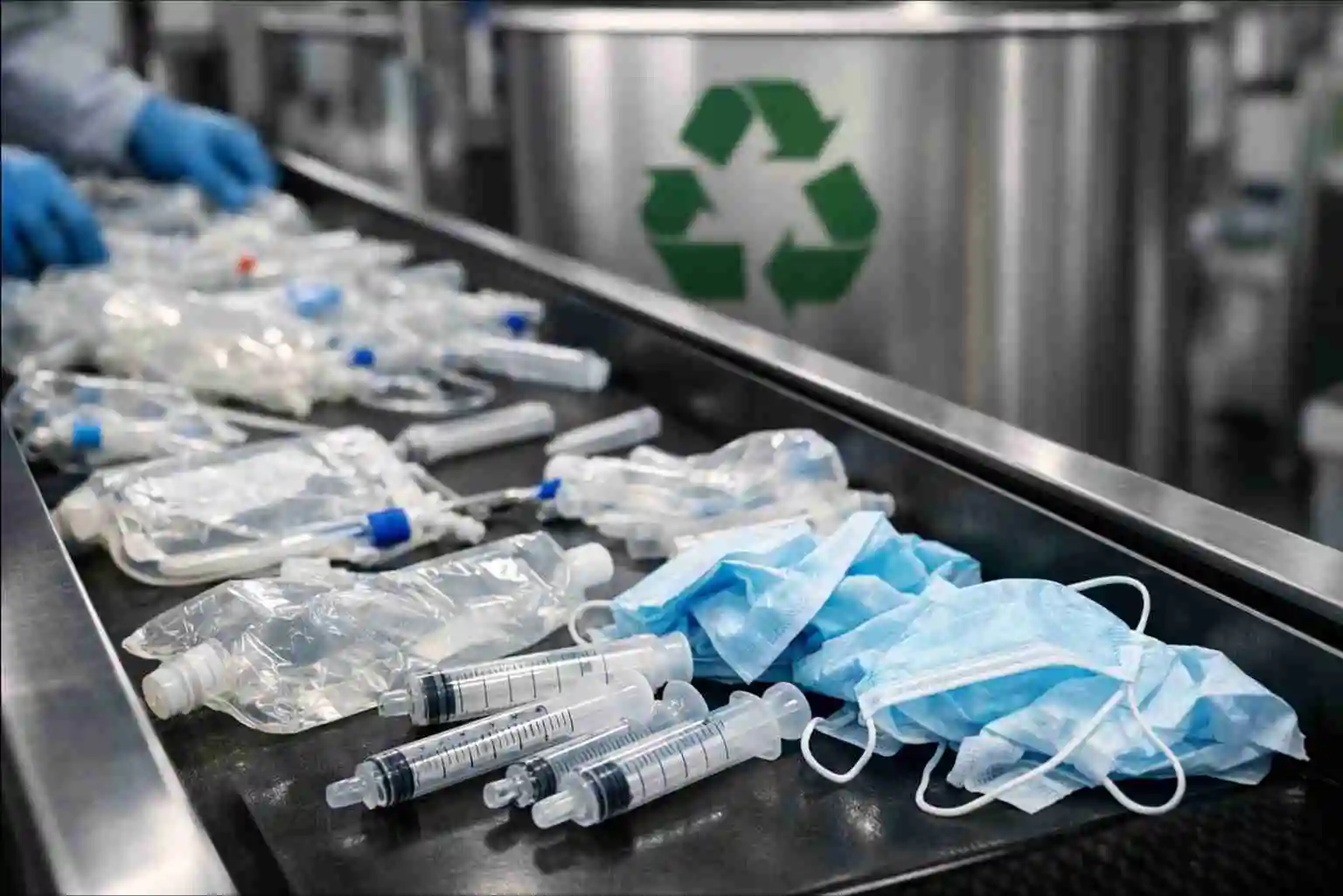
This comprehensive guide delves into the multifaceted world of medical recycling, exploring its environmental, economic, and social benefits, alongside practical strategies for effective implementation.
We will examine the intricacies of medical equipment disposal, the nuances of recycling medical supplies, and the innovative approaches to managing medical recycling equipment. Furthermore, we will provide actionable insights on how to dispose of medical equipment responsibly, ensuring compliance with regulatory standards and fostering a greener future for healthcare.
Understanding the Landscape of Medical Waste
Before delving into the specifics of medical recycling, it is crucial to understand the diverse categories of waste generated within healthcare settings.
Medical waste encompasses a broad spectrum of materials, ranging from general refuse to highly hazardous substances. Proper classification is the first step towards effective disposal of medical equipment and supplies.
Categories of Medical Waste
- General Waste: This constitutes the largest portion of healthcare waste, including office paper, packaging, and food waste.
- Infectious Waste: Materials tainted with blood or body fluids, such as bandages, swabs, and disposable medical devices.
- Hazardous Waste: Non-infectious waste posing chemical, genotoxic, or pharmaceutical risks like expired medications.
- Sharps Waste: Items that can cause cuts, such as needles and scalpels.
- Radioactive Waste: Waste from nuclear medicine or radiotherapy procedures.
The Growing Challenge of Medical Waste
Globally, healthcare facilities generate substantial amounts of waste daily. The COVID-19 pandemic further exacerbated this challenge, leading to an unprecedented surge in single-use PPE.
Traditional landfilling or incineration poses significant environmental risks. Untreated medical waste can lead to soil and water contamination, releasing pathogens into ecosystems. This underscores the urgent need for robust programs for medical equipment disposal.

The Pillars of Effective Medical Equipment Disposal
Effective medical equipment disposal is a critical component of sustainable healthcare. It involves minimizing environmental impact while maximizing resource recovery.
1. Identifying Used Medical Equipment
The first step is accurate identification and segregation. Assessing reusability or recyclability guides the subsequent disposal pathway correctly.
2. Donation and Refurbishment: A Sustainable Pathway
Gently used, functional equipment can be a valuable resource for underserved communities. Organizations often accept items like wheelchairs and hospital beds. If you are looking for specific locations, you can find where to recycle medical equipment in Australia through our specialized guide.
3. Recycling Medical Supplies: Beyond the Obvious
Recycling medical supplies extends beyond large equipment. Many plastics and electronic components from medical devices can be recovered and repurposed. This requires specialized programs to handle unique materials safely.

4. Professional Medical Equipment Disposal Services
For equipment that cannot be donated, professional services are indispensable. These services adhere to strict regulations for handling hazardous waste and provide certificates of destruction.
5. Manufacturer Take-Back Programs
Some manufacturers allow facilities to return used products for safe disposal. These programs are convenient and often environmentally friendly.
6. Advanced Treatment Technologies
For hazardous waste, technologies like Autoclaving (Steam Sterilization), Microwave Technologies, and Chemical Disinfection are employed to render waste safe.
Regulatory Compliance in Medical Waste Management
Compliance is a legal and moral imperative. Facilities must follow guidelines from key regulatory bodies.
- EPA: Provides frameworks for hazardous waste management.
- OSHA: Sets standards to protect healthcare workers from bloodborne pathogens.
- CDC and FDA: Provide guidelines for infection control and device reprocessing.
The Benefits of Medical Recycling and Sustainable Practices
Environmental Benefits
Recycling reduces demand for raw materials and mitigates landfill burdens. It also saves energy and prevents toxic pollution.
Economic Benefits
Refurbished equipment is often cheaper than new devices. Additionally, recycling can create revenue streams through rebates and support job creation.
Social Benefits
Responsible management protects public health and ensures healthcare equity by providing equipment to those in need.

How to Dispose of Medical Equipment: A Practical Guide
For Healthcare Facilities:
Implement segregation at source using color-coded bins. Regularly train staff on safety protocols and partner with certified vendors for recycling medical supplies. Maintain meticulous records for audit purposes.
For Home Users:
Never dispose of needles in household trash. Use FDA-cleared sharps containers. For medications, follow drug take-back programs. Donate durable equipment like crutches to local charities.
The Role of Technology in Enhancing Medical Recycling
IoT-enabled smart bins, Blockchain for traceability, and AI-powered robotics are revolutionizing how we handle medical waste today.
Frequently Asked Questions (FAQ)
A1: To minimize environmental impact, conserve resources, and reduce costs by diverting materials from landfills.
A2: No. Infectious and highly hazardous materials require specialized treatment, but many plastics and metals are recyclable.
A3: To prevent infection spread, protect the environment, and ensure legal compliance.
Conclusion: Towards a Sustainable Healthcare Future
Medical recycling is an indispensable component of building a sustainable healthcare system. By embracing medical recycling, facilities can reduce their footprint and enhance public health. It is a commitment to the next generation and should be a standard protocol in every hospital.
References
[1] World Health Organization. Health-care waste.
[2] Paustian, F. (2025). Medical equipment in the global south. PMC.
[3] U.S. Environmental Protection Agency. Medical Waste.
[4] U.S. Food and Drug Administration. Disposal of Unused Medicines.
